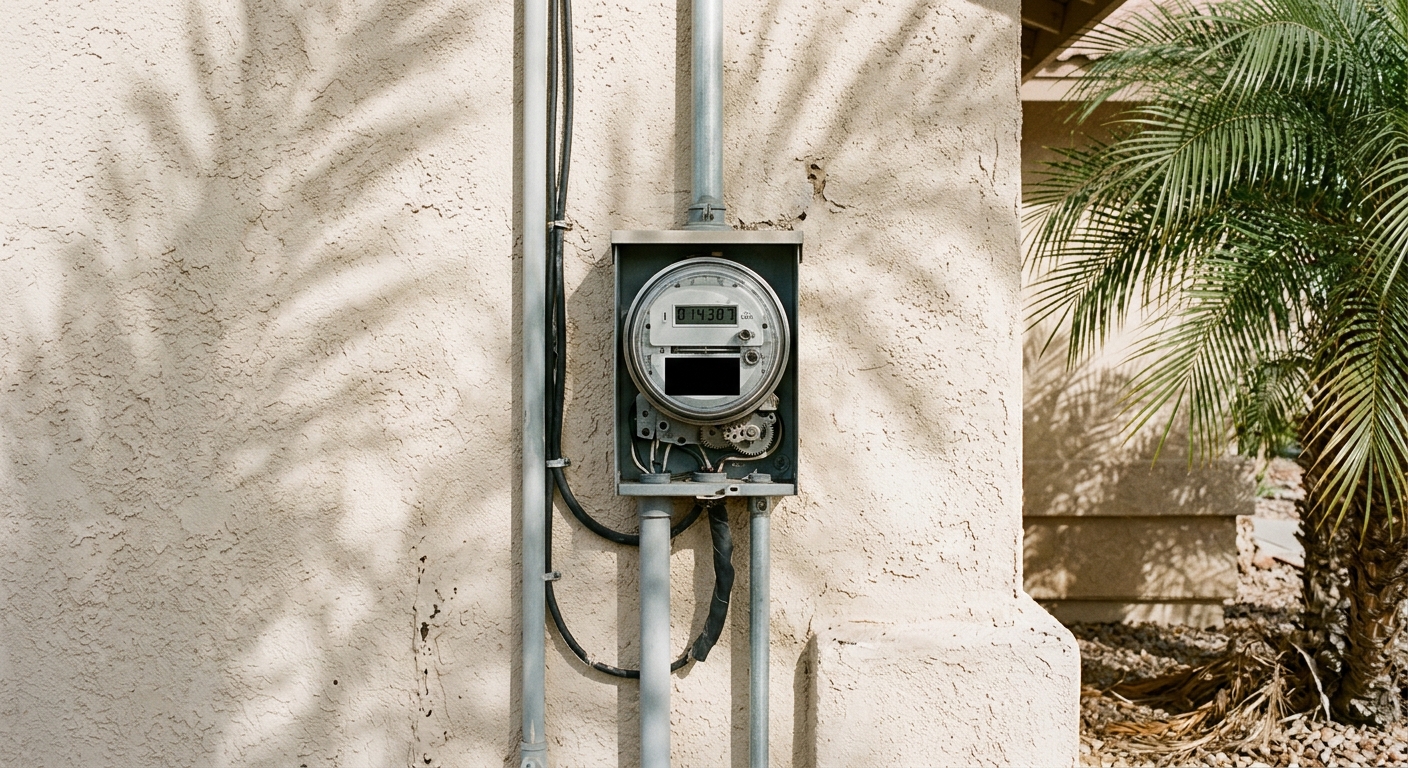
AI-generated illustration; not a photograph of the reported event.
- calendar_today November 6, 2026
OUC Introduces New DemandLevel Pricing Structure
The Orlando Utilities Commission (OUC) is implementing a new electricity pricing structure for its customers starting this November. This change introduces a reduced rate for energy used and a separate monthly charge based on each customer's peak electricity demand.
Understanding DemandLevel and the New Bill Components
Under the new plan, the price per kilowatt-hour will decrease by 12.5%, translating to a reduction of about 1 cent per kilowatt-hour, according to OUC. However, a new monthly demand charge will be applied based on each customer's highest 15-minute period of electricity consumption in the previous month. This demand charge will fall into one of three tiers: $5, $10, or $15, depending on that peak usage.
OUC has been communicating these changes to customers through personalized videos that estimate whether individual bills may rise, fall, or remain about the same based on past energy use. Additionally, OUC organized several community education sessions and town halls in October 2026 to explain the new pricing and field questions from customers.
One OUC customer, Sally Hunter, attended an in-person session at the Engelwood Neighborhood Center to gain a clearer understanding of the new fee structure after finding the video explanations unclear in relation to her bill.
Managing Peak Demand to Control Charges
The demand charge is influenced by periods when multiple high-energy appliances operate simultaneously. OUC recommends that customers stagger their use of such appliances to keep their peak—and consequently their demand charge—lower. For example, customer Carol Latham shared that she shifted her pool pumping to nighttime hours to avoid added costs during peak usage periods, demonstrating strategies customers can use to reduce their utility bills.
Reasons Behind the Change
Jenise Osani, Vice President of Customer Experience and Sales at OUC, explained the rationale for the pricing revision: "We want to help customers relate the way they use the grid to pricing signals. So, to keep costs low for OUC to run and operate the grid, we want to have customers push out their usage and spread it across the day." OUC estimates that approximately half of all customers will experience a decrease in their bills, 30% will see little change, and the remaining customers could pay up to about $7 more per month. The change, according to Osani, is revenue-neutral for OUC—it alters how customers are charged, but not the total revenue the utility receives.
Customers are encouraged to monitor their historical and current demand using the My Usage dashboard and the My OUC Energy Coach tool, both available through the utility's official website. Further educational sessions may be announced after the DemandLevel rollout, depending on customer feedback and service inquiries.
Potential Fuel Rate Decrease and Further Customer Savings
In addition to the new pricing structure, OUC has announced plans to propose a fuel rate decrease at its upcoming Board of Commissioners’ Meeting on December 15. If approved, customers could save about $5 per month starting April 2027, amounting to a projected $3.3 million in monthly savings across OUC's customer base. For a typical residential customer using 1,000 kilowatt-hours per month, this would set their bill at roughly $128.85—$7.62 less than the average charged by similar Florida utilities. Commercial customer savings would vary according to their energy consumption patterns.
Clint Bullock, OUC General Manager & CEO, emphasized the importance of these changes during a period of rising electricity costs nationally, stating, "This proposed decrease reflects our commitment to managing costs responsibly, passing savings along to our customers and delivering the reliable service they count on."
Resources for Bill Management and Energy Efficiency
OUC offers various programs to help customers manage their utility bills and improve energy efficiency, including rebates, bill-payment assistance, and other energy-saving initiatives. Customers seeking financial help or advice on reducing energy and water usage can visit OUC's residential assistance page and OUC's savings tips and programs page for more information.
Source: clickorlando.com.