- calendar_today September 19, 2026
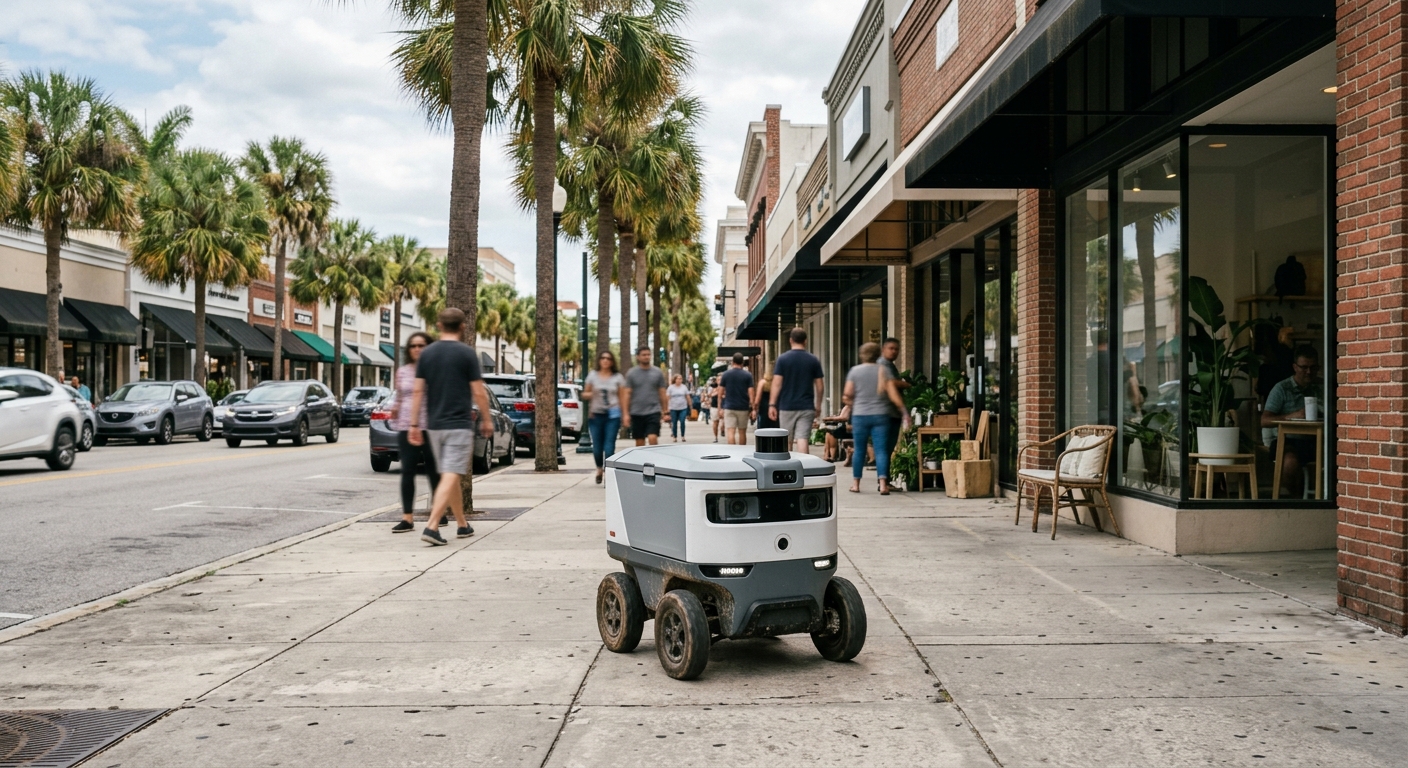
The Florida city of St. Petersburg is evaluating a proposal to introduce autonomous robots for food delivery along downtown streets and across other neighborhoods. With autonomous robots positioned as a potential solution to parking challenges and a means of small business support, city officials and the public are weighing the future of robot food delivery in the region.
City Council Examines Robot Food Delivery Proposal
The initiative, brought forward by Councilwoman Figgs-Sanders, returned to the agenda after prior deliberations by the St. Pete City Council. Drawing upon examples in cities like Miami, the council explored how food delivery robots could be integrated into St. Petersburg’s evolving urban landscape. The discussion focused not only on the logistical aspects, such as traffic safety and urban food delivery routes, but also on the concerns voiced by local residents.
Community Response Reflects Varied Perspectives
Feedback from St. Petersburg residents demonstrated a diversity of perspectives. Some locals welcomed the potential of robot delivery benefits, citing increased convenience and modern services in downtown St. Petersburg. Others, however, worried that an influx of autonomous robots might worsen sidewalk congestion, impacting pedestrians and accessibility for all community members. These discussions echo similar debates seen in other urban areas experimenting with delivery technology deployment.
Impact on Local Businesses and Revenue
For many business owners in Florida, the conversation around food delivery robots represents more than just a technological upgrade. Mark Ferguson, a well-known restaurant owner in the heart of downtown St. Petersburg, expressed enthusiasm for the proposal. He believes robot food delivery could enhance local business revenue by providing customers with faster, innovative ordering options while also making the city more attractive to visitors seeking unique experiences. Advocates for small business support say integrating this delivery technology could level the playing field for independent venues as they compete with larger chains.
Balancing Innovation with Public Concerns
While acknowledging the transformative potential of autonomous robots, the St. Pete City Council emphasized the importance of considering both opportunity and risk. Council members explored how policy, pilot programs, and regulation could mitigate unintended consequences such as increased sidewalk congestion. Experiences from cities already using robot food delivery were cited as valuable case studies, offering lessons on best practices and public safety protocols.
Looking Ahead: St. Petersburg’s Path to Smart Urban Food Delivery
The adoption of delivery technology powered by autonomous robots signals St. Petersburg’s readiness to experiment with smart city solutions. City leaders underscored that discussions are still in the early stages, and any rollout would be gradual, with regular review and feedback from the community. The initiative stands as part of Florida’s broader efforts to champion innovation while addressing the real-world needs of its residents.
Regional Implications and Next Steps
As the council continues to deliberate, the outcome could set a precedent for urban food delivery models in other regions of Florida and beyond. With a careful balance between robot delivery benefits and public concerns, the city’s decision will shape how technology and tradition coexist in St. Petersburg’s public spaces.