- calendar_today June 26, 2026
Florida – In the wake of the devastating Venezuelan earthquakes, digital networks have become a lifeline for thousands seeking missing persons. The powerful quakes, which struck La Guaira and nearby regions with a magnitude of 7.2 and 7.5, continue to impact allies and families in Florida as residents anxiously monitor rescue efforts and leverage online platforms to connect with loved ones in Venezuela.
Devastating Impact and Communication Disruption
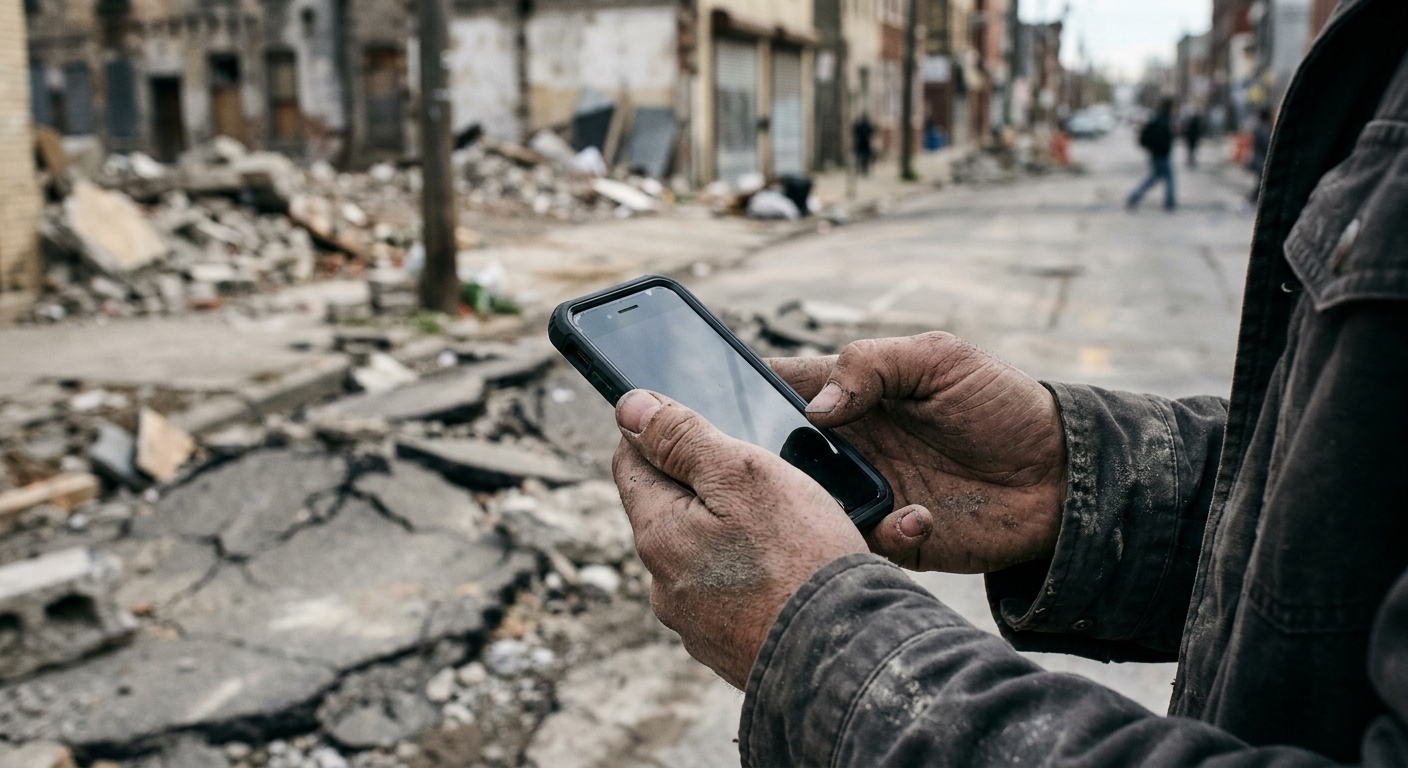
The earthquakes in Venezuela left hundreds dead, thousands injured, and entire neighborhoods in ruins. The tremors caused widespread communication disruption, with phone lines and mobile networks operating intermittently. This breakdown made it difficult for both local and international communities—including many in Florida with roots in Venezuela—to confirm the status of friends and family or gather credible updates. The connectivity issues highlight the region’s vulnerability in crisis, emphasizing the criticality of maintaining disaster communication channels.
The Role of Social Media in Emergency Response
With official information channels often slow or inaccessible, Venezuelans have turned to social media to share vital updates. Online registries, now cataloging nearly 40,000 missing persons, vastly outpace government accounts and serve as crucial resources for those searching for earthquake victims. The vast reach of digital networks has amplified both distress calls and hopeful reunions. Platforms like WhatsApp, Facebook, and X (formerly known as Twitter) have been indispensable for disseminating rescue coordination details and identifying those needing urgent aid.
Online Registries: Central Hubs for Hope
Online registries are proving essential in the search for missing persons following the Venezuelan earthquakes. Community-driven lists offer families in Florida and across the globe a means to report, locate, and communicate about their missing loved ones. These digital platforms have enabled rapid exchange of critical information, and volunteers continually update entries as rescue efforts progress, reflecting the growing importance of natural disaster response tools in today’s emergencies.
United Nations Appeal Restores Access
Earlier social media restrictions, imposed by Venezuelan authorities in 2024, posed serious complications for families overseas—including those in Florida, Spain, Chile, and Brazil. Limited access hampered the flow of real-time rescue information. However, a recent United Nations appeal prompted the government to lift bans on platforms such as X, restoring channels vital to the coordination of disaster communication and family reunification. This intervention underscored the importance of global cooperation in natural disaster response.
Venezuelan Families in Florida Face Uncertainty
Florida is home to a rapidly growing Venezuelan diaspora, many of whom are directly impacted by this tragedy. Local institutions and cultural organizations have established support networks, offering translation assistance, shared housing, and emotional counseling. For these Venezuela families, balancing distress with hope has become a daily reality. As reports of rescue operations surface, family members in Florida continue to rely on digital updates and community solidarity to bridge the kilometers separating them from loved ones.
Lessons Learned: The Digital Age and Future Disaster Response
The aftermath of the Venezuelan earthquakes has cast a spotlight on the fragile nature of disaster communication infrastructure across borders. For many in the region, especially in Florida, the events highlight the indispensable value of online registries and social media in emergency situations. Strengthening digital resilience and ensuring robust communication channels are now priorities for local communities, institutions, and emergency response planners. As rescue efforts continue, the collective focus remains on reunifying families and improving preparedness for future crises.