- calendar_today August 14, 2025
Florida’s real estate market in 2025 continues to show strength despite broader national headwinds. While interest rates have steadied, the Sunshine State’s explosive population growth, business-friendly climate, and economic diversification are keeping investors active. From Miami and Orlando to Tampa and Jacksonville, developers and buyers are focusing less on speculative gains and more on long-term, income-producing assets aligned with demographic momentum.
Seven real estate sectors stand out in Florida this year—sectors that aren’t just performing, but adapting to the unique demands of a fast-growing, climate-sensitive state.
Multifamily Housing: The Reliable Performer
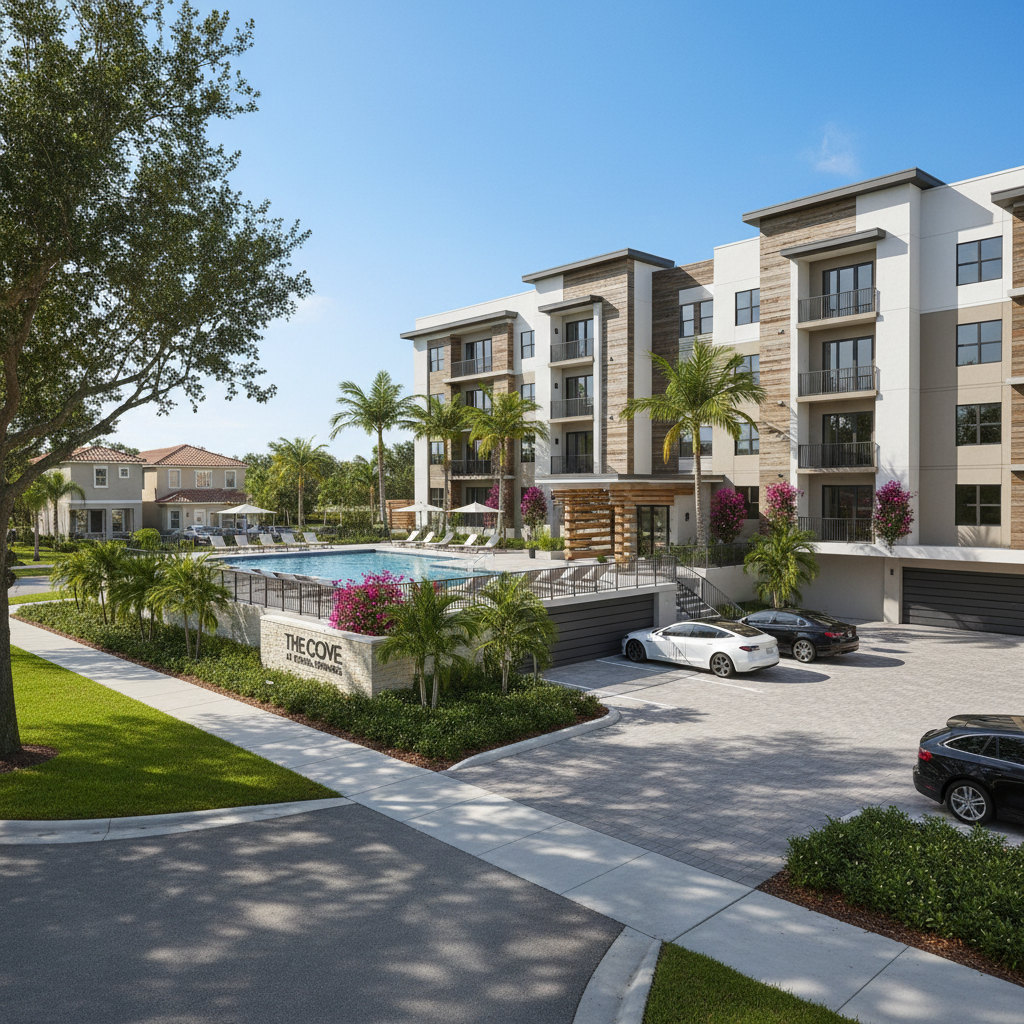
Florida’s multifamily sector remains one of the most resilient in the U.S. High mortgage rates and rising single-family home prices are keeping demand for apartments elevated, particularly in markets like Tampa, Orlando, and Jacksonville. Class B and C properties are seeing especially strong occupancy as affordability becomes a top priority.
Mid-rise apartment communities and build-to-rent developments are spreading across suburbs like Brandon, Kissimmee, and Palm Coast. Rent growth has slowed from pandemic-era highs but remains solid—averaging around 3% annually in stabilized metros. With steady in-migration and a growing workforce, Florida’s multifamily housing remains a foundational asset for real estate portfolios.
Industrial Properties: Still a Growth Engine
Florida’s industrial real estate is booming, thanks to its role as a logistics and trade gateway. From port cities like Miami and Jacksonville to inland hubs like Lakeland and Ocala, warehouse and distribution space is in high demand.
JLL reports a 6.8% year-over-year rent increase for industrial assets across the state, with vacancy rates under 4% in prime locations. E-commerce, cold storage, and same-day delivery continue to fuel development. The rise of advanced logistics and automation technologies is also drawing institutional investors to Florida’s industrial corridors, especially near I-4 and I-95.
Single-Family Rentals in Suburban Markets
Florida’s suburban markets are thriving—and so are single-family rentals (SFRs). Families priced out of homeownership are seeking spacious, pet-friendly homes with backyards and school access—without the burden of a mortgage.
According to Roofstock’s 2025 Investor Sentiment Index, cities like Cape Coral, Ocala, and Port St. Lucie are leading the SFR boom. These areas offer strong rental yields, lower acquisition costs than major metros, and low vacancy rates. With new residents arriving daily and remote work still common, SFRs are proving to be a dependable, long-term asset class for Florida investors.
Regional Growth: Sun Belt Magnet
Florida remains a top migration destination in 2025, with residents arriving from the Northeast, Midwest, and even California. No state income tax, year-round sunshine, and expanding job markets are fueling demand across both coasts and central Florida.
While Miami and Orlando still attract headlines, secondary cities like Sarasota, Gainesville, and Pensacola are gaining ground. With infrastructure spending and university expansions underway, these markets are attracting developers and investors looking to tap into population growth and affordability advantages.
Mixed-Use Developments & Urban Revivals
Florida’s urban revival is unfolding in pockets across the state, particularly in walkable neighborhoods of St. Petersburg, West Palm Beach, and Fort Lauderdale. Mixed-use developments that integrate residential units with dining, coworking, and green spaces are in high demand among younger renters and professionals.
Zoning complexity and rising construction costs remain challenges, but well-placed projects are seeing strong returns. In downtown Tampa and Miami’s Edgewater, for instance, mixed-use properties are commanding premiums due to proximity to tech hubs, cultural districts, and waterfronts.
Niche Assets on the Rise: Senior & Student Housing
Florida’s senior housing sector is in expansion mode. As more retirees migrate south, demand is rising for independent living, assisted living, and memory care. According to NIC MAP Vision, occupancy in senior housing rose to 86% in Q1 2025, particularly in coastal cities and retirement destinations like The Villages and Naples.
Student housing is also gaining momentum around universities like UF (Gainesville), FSU (Tallahassee), and UCF (Orlando). Purpose-built student properties with modern amenities—such as high-speed internet, furnished units, and common lounges—are seeing pre-lease rates above 90%. Investors who cater to this demand are reaping strong, recession-resistant returns.
Risk Factors and Investment Cautions
Despite opportunity, Florida’s real estate market carries unique risks. Hurricanes, flooding, and rising insurance premiums are critical concerns—especially in South Florida, Fort Myers, and coastal Panhandle areas. Investors must factor in property hardening costs and evolving FEMA flood zone maps.
Regulatory risks are minimal compared to states like California or New York, but local zoning laws and land use changes—especially in fast-growing counties—require close monitoring. Environmental review delays and infrastructure bottlenecks can affect timelines and margins.
While interest rates are expected to stabilize, financing costs remain elevated compared to pre-2022 norms. Florida investors should stick to conservative projections, diversified strategies, and thoroughly vetted locations.
Expert Insight: What the Analysts Say
“Florida continues to outperform many U.S. markets because of population growth and economic expansion,” says Lauren Bellingham, senior economist with CBRE. “But it’s also a market that requires sharp focus on local risks—especially climate and insurance costs.”
Redfin’s 2025 Housing Trends report highlights the importance of understanding job corridors, school zones, and resilience planning when investing in Florida real estate. According to the report, investors who can interpret this data and align it with demographic momentum are best positioned for success.
Strategic Diversification is Key in 2025
Florida’s real estate success in 2025 is being driven by diversification. Investors are balancing multifamily and SFRs in growth corridors, betting on industrial along key highways, and exploring mixed-use and niche housing in cities undergoing transformation.
With millions moving to the state and strong demand across age groups and income levels, Florida remains one of the most promising markets for long-term real estate investment. The key is aligning strategy with both macro trends and hyper-local realities—from flood maps to job growth to school performance.
Those who diversify wisely and act with regional insight are most likely to thrive in Florida’s dynamic real estate landscape.