- calendar_today August 21, 2025
The Brains Behind the Brains: What Made iZombie’s Writing So Good
It’s not a question of if, but when zombies will come back in style. The 2010s, however, were arguably when they hit their peak on TV: from AMC’s juggernaut zombie drama The Walking Dead (2010–2022) to Netflix’s offbeat horror-comedy The Santa Clarita Diet (2017–2018), you could not turn on the television in the 2010s without seeing a zombie. Somewhere in between sat iZombie, which mixed equal parts crime-solving, undead drama, and absurdist comedy for five seasons on The CW.
Despite never being a huge hit, the show developed a cult following with fans who loved its unique brand of crime-solving, heartfelt performances, and refreshingly original take on a stale genre. iZombie was created by Rob Thomas and Diane Ruggiero-Wright, loosely based on the Vertigo comic book series of the same name by Chris Roberson and Michael Allred (CW’s adaptation took a few liberties with the source material, but thankfully retained the undead heart of the comic).
The original comic series followed Gwen Dylan, a zombie gravedigger in Eugene, Oregon. She is forced to eat a human brain every 30 days or her memories will fade away. On top of that, she’s accompanied by an entourage of a ghost and a were-terrier as her friends and anchor to her own identity, giving the comics a supernatural spin on friendship and redefining identity. The series, on the other hand, follows Liv Moore in Seattle, Washington (Liv, get it? ), played by Rose McIver. Liv was a type-A overachiever in college until she decided to go to a boat party one night that ended in utter disaster due to a new designer drug called Utopium mixed with a new energy drink called Max Rager.
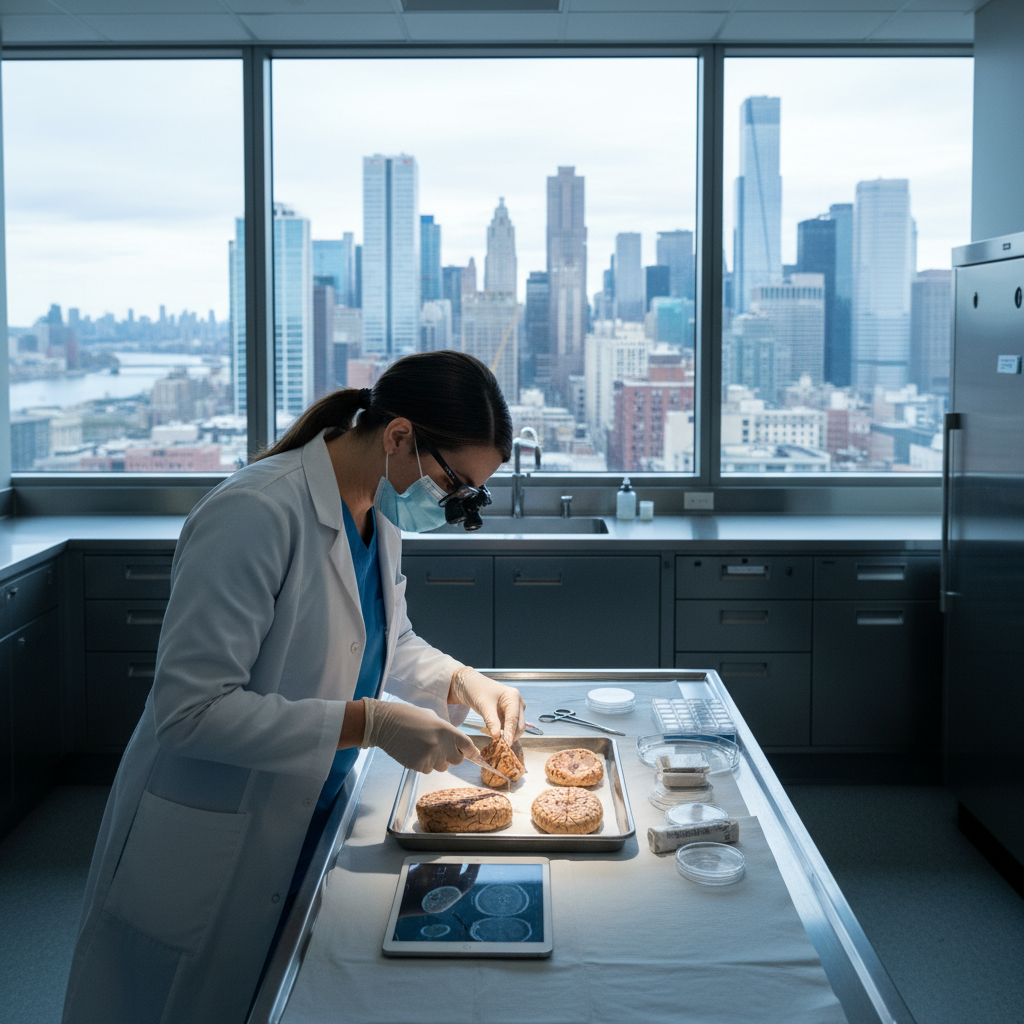
She gets scratched by a zombie during the subsequent outbreak, wakes up in a body bag at the morgue, and becomes one of the undead. Liv breaks up with her human fiancé, Major (Robert Buckley), breaks off her friendship with her roommate, Peyton (Aly Michalka), and takes a job at the medical examiner’s office to discreetly procure brains, fueling her afterlife by taking patients to the operating table to get their brains in the name of solving murder cases. Liv’s secret is quickly discovered by her endearingly weird and good-hearted boss, Dr. Ravi (Rahul Kohli), a former CDC scientist devoted to finding a cure for the zombie virus.
The most novel and, in many ways, memorable trope of iZombie, however, was that Liv would take on the memories and personality traits of those whose brains she eats, allowing her to experience an endless string of new personas, each giving McIver new playgrounds to showcase her acting talents. The characters whose brains she ingests were wonderfully wide-ranging: from a sassy dominatrix to a curmudgeonly old man to a sappy romance novelist to a wacky magician to a pub trivia-savvy hitman, Liv played every one with sincerity and heart.
The brains she ate were always murdered victims, which became the jumping-off point to solve their murder cases, teaming her up with Det. Clive Babineaux (Malcolm Goodwin), who—at least at the start—suspects Liv of being psychic. Ravi becomes the unofficial third member of their crime-solving team, offering comic relief as well as hard science as he caters to Liv’s newfound appetites while fending off zombies (unless, of course, Liv ate his PhD scientist brain and became so infuriating, he drove Ravi to the brink of madness).
Brains, Bad Guys, and Bittersweet Goodbyes
It wouldn’t be a good show if it did not have a villain, and iZombie landed a doozy in the form of Blaine DeBeers (David Anders), a douchebag of a zombie with an entitlement problem and no real purpose in life except to peddle Utopium at an even higher price to other zombies. He was eventually revealed to be the one who scratched Liv that night at the boat party with the infected Utopium. Blaine grows from a lowly street dealer of tainted Utopium to a full-blown brain trafficker, catering to a wealthy group of zombies dependent on his wares. From his aristocratic sneer to his daddy issues to his trademark debonair smirk and unabashed penchant for bad jokes, Blaine was a character you could not take your eyes off.
The final seasons of the show lost a lot of momentum, however, and its series finale was especially disappointing. It felt rushed and unsatisfying, despite a lot of setups to bring a large cast together for an epic climax. The finale in particular was divisive among fans, who felt it glossed over or left unresolved some major storylines from its run. But in spite of the show’s flaws and questionable finale, iZombie still was able to do something unique: embrace the absurd and make it heartfelt. The show’s humor was sharp and on point, the puns aplenty (Major Lillywhite, The Scratching Post bar, and Ravi’s dog “Minor”), and the menu of brain-based cuisine, be it stir-fry, hush puppies, or protein shakes, was delightfully gross.
Of course, the show had zombies, lots of gore, and the usual whodunnit murder case per episode. But it also had heart.