- calendar_today August 27, 2025
NASA postponed its commercial astronaut launch after receiving reports that the ISS experienced another serious air leak. NASA has postponed Axiom Mission 4 which would have launched four private astronauts to the ISS but disclosed little information about this decision. Sources have verified that behind closed doors the situation is becoming more worrisome as the ISS nears its 30-year mark of operation in space.
The Return of a Familiar Problem
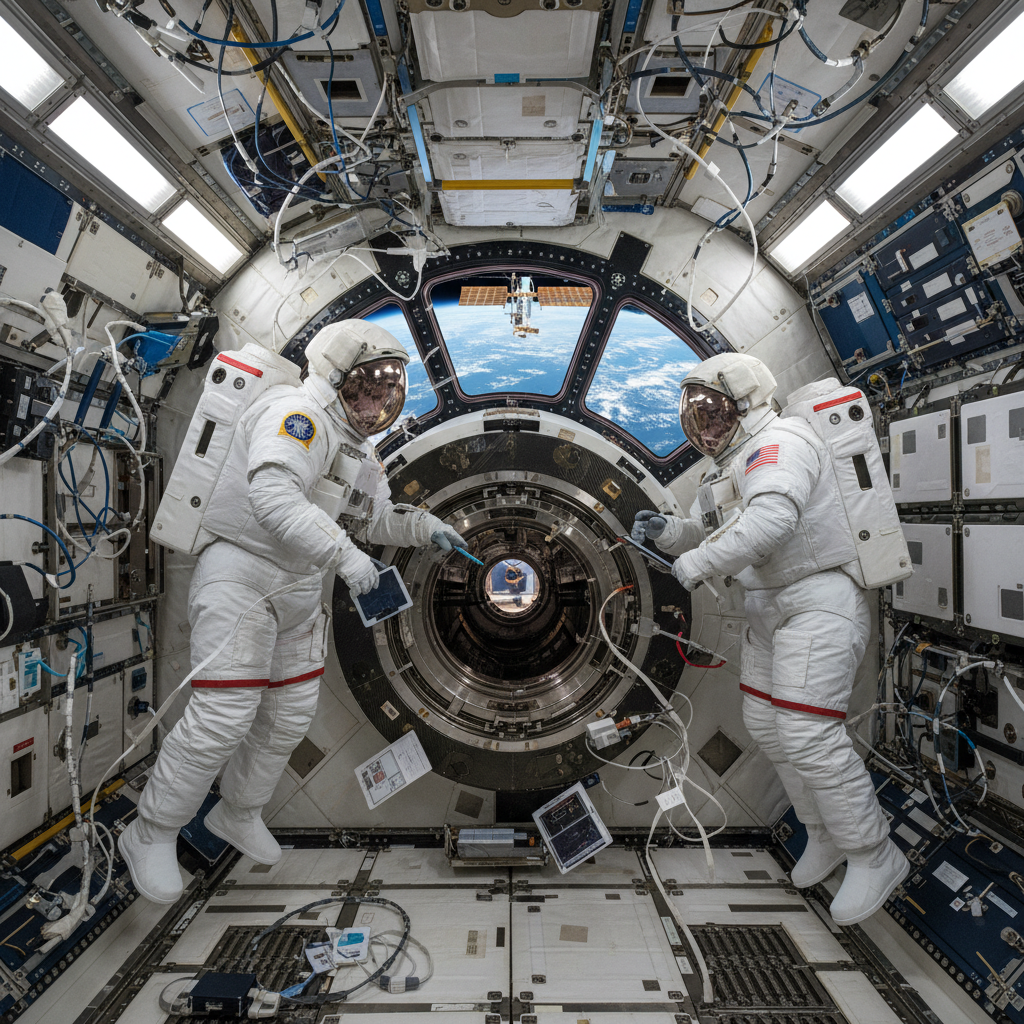
The ISS has experienced issues with leaks multiple times before. NASA and Roscosmos have monitored a continuous slow leak within the Zvezda service module since 2019, which was built by Russia and launched in 2000 as one of the oldest components on the station. The PrK transfer tunnel connecting Zvezda to the docking port for Soyuz crew vehicles and Progress resupply missions represents the specific problem area.
Russian cosmonauts conducted multiple repair attempts on the identified small cracks found in the PrK over recent years. The repairs carried out by Russian cosmonauts succeeded in reducing the leak to a rate of only a few pounds of air per day but failed to completely stop it. The most successful temporary tactic was to keep the PrK hatch shut when it wasn’t needed for docking operations.
Roscosmos confirmed this month’s repair mission sealed the PrK module. NASA confirmed that the leak rate within the module had ceased according to their latest statement. The initial response to this announcement viewed it as a positive development for current maintenance operations. The initial optimism disappeared after sensors revealed that the entire station’s air pressure kept decreasing.
People familiar with the situation now think the hatch seals are the primary reason for the problem. Despite PrK maintaining its internal pressure there is increasing suspicion that the station’s main body air is escaping through the hatch and entering PrK. The PrK module maintains pressure due to its tight seals which conceals the fact that the ISS is continuously losing air throughout the station. The leak seems fixed within the module yet remains problematic for the entire space station.
Structural Fatigue: A Growing Threat
The ongoing leak remains below dangerous thresholds yet signifies structural fatigue as an underlying serious problem. Engineers express concern about “high cycle fatigue” which damages metals like aluminum when exposed to repeated stress over extended periods. This process mirrors how bending a wire multiple times leads to its eventual breakage.
Since the late 1990s the ISS has remained in orbit while facing daily thermal fluctuations, pressure changes and mechanical forces. Aerospace-grade aluminum retains its strength initially but eventually turns brittle and unpredictable after extended periods of use. On NASA’s internal 5×5 risk matrix which evaluates both likelihood and impact structural cracking stands out as the agency’s top concern. NASA considers structural cracking the most critical matter on its 5×5 risk assessment matrix.
This is not just a theoretical fear. Aloha Airlines Flight 243 experienced an unexpected mid-air decompression in 1988 because of unseen metal fatigue. The fuselage suddenly ripped open to reveal the sky to the passengers. Even though the crew successfully landed the plane this event stands as a grim warning about the dangers of undetected fatigue.
The ISS is reaching its lifespan limits in some of its components. The ongoing emergence of leaks in the same module raises concerns about the potential development of widespread fatigue into a safety threat.
NASA decided to postpone the Axiom-4 mission launch which was planned for a Thursday because of these existing circumstances. The agency announced that the postponement will give NASA and Roscosmos extra time to assess the circumstances and decide if more troubleshooting measures are needed.
NASA continues to evade providing detailed explanations in response to growing inquiries from journalists and the public as well as missing an opportunity to hold a press briefing. The agency’s only public comment to date has been: The International Space Station crew continues normal operations without safety issues.
For now, that remains true. The International Space Station crew remains unharmed and operational activities proceed as planned. The rising number of unexplained leaks combined with potential structural problems creates increased urgency about the ISS’s future operational safety timeline.