- calendar_today September 26, 2026
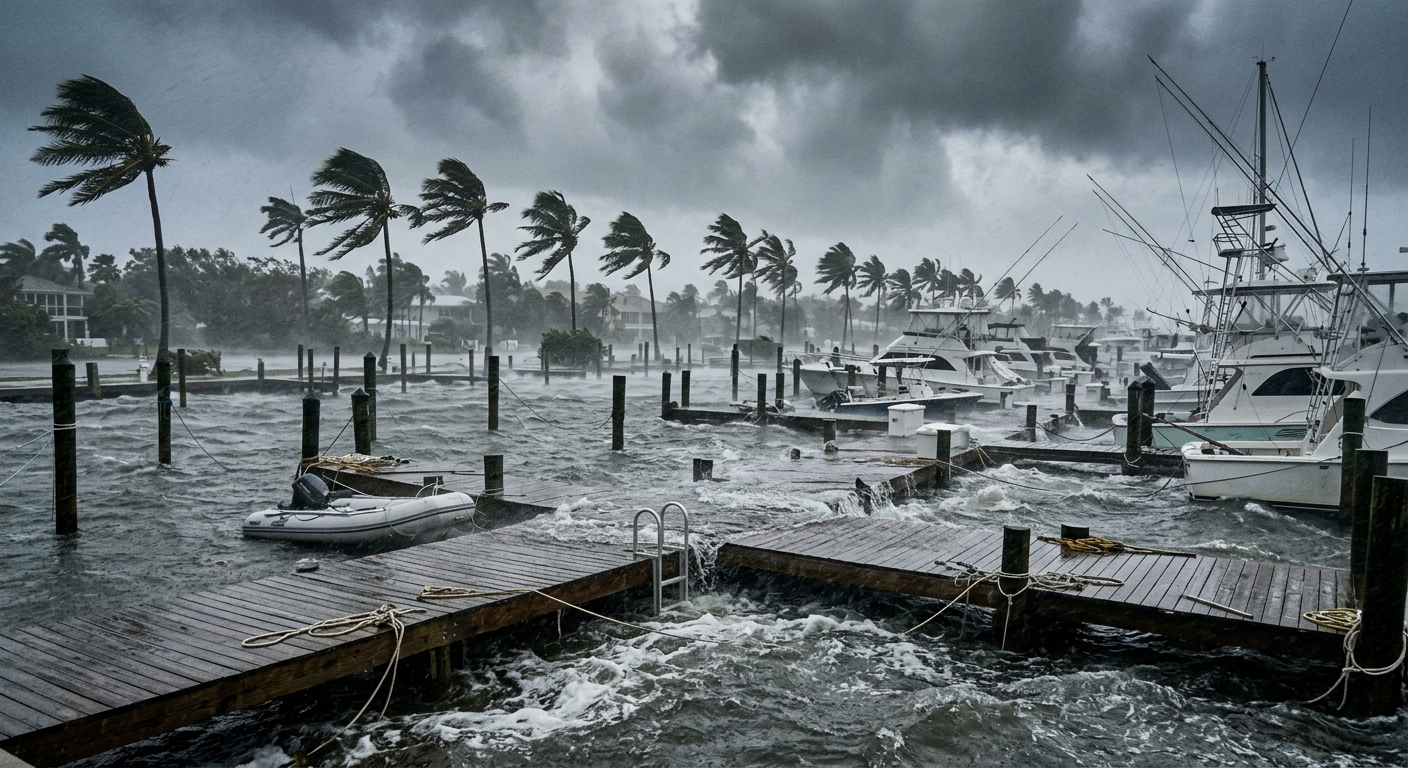
The recent noreaster storm has left a trail of significant impacts across the U.S. Northeast and mid-Atlantic, serving as a cautionary reminder for regions like Florida of the unpredictable power of seasonal storms. As powerful winds and relentless rain battered coastal cities, communities both within and beyond the storm’s direct path braced for related ripple effects and closely monitored the evolving weather conditions.
Widespread Effects Across Northeastern States
Tens of millions of residents from Maryland to New England bore the brunt of intense noreaster weather, grappling with severe flooding, dangerous wind gusts, and widespread infrastructural disruptions. The storm’s slow movement exacerbated flood risks, overwhelming drainage systems and inundating coastal streets, notably in areas like Long Island, New Jersey, and parts of Virginia. The National Weather Service underscored the storm’s unusual timing and the threat of prolonged noreaster flooding, urging preparedness even as the systems gradually moved out to sea.
Power Outages and Community Impact
Around 100,000 customers lost electricity as noreaster power outages swept through key metropolitan areas. Crews raced to restore service amid hazardous conditions. Such widespread outages highlight the vulnerability of critical infrastructure along the Northeast corridor and spark fresh discussions in Florida about grid resilience. The risk of downed lines and extended blackouts often underscores the need for comprehensive disaster response planning before nor’easters or hurricanes strike.
Coastal Erosion and Environmental Concerns
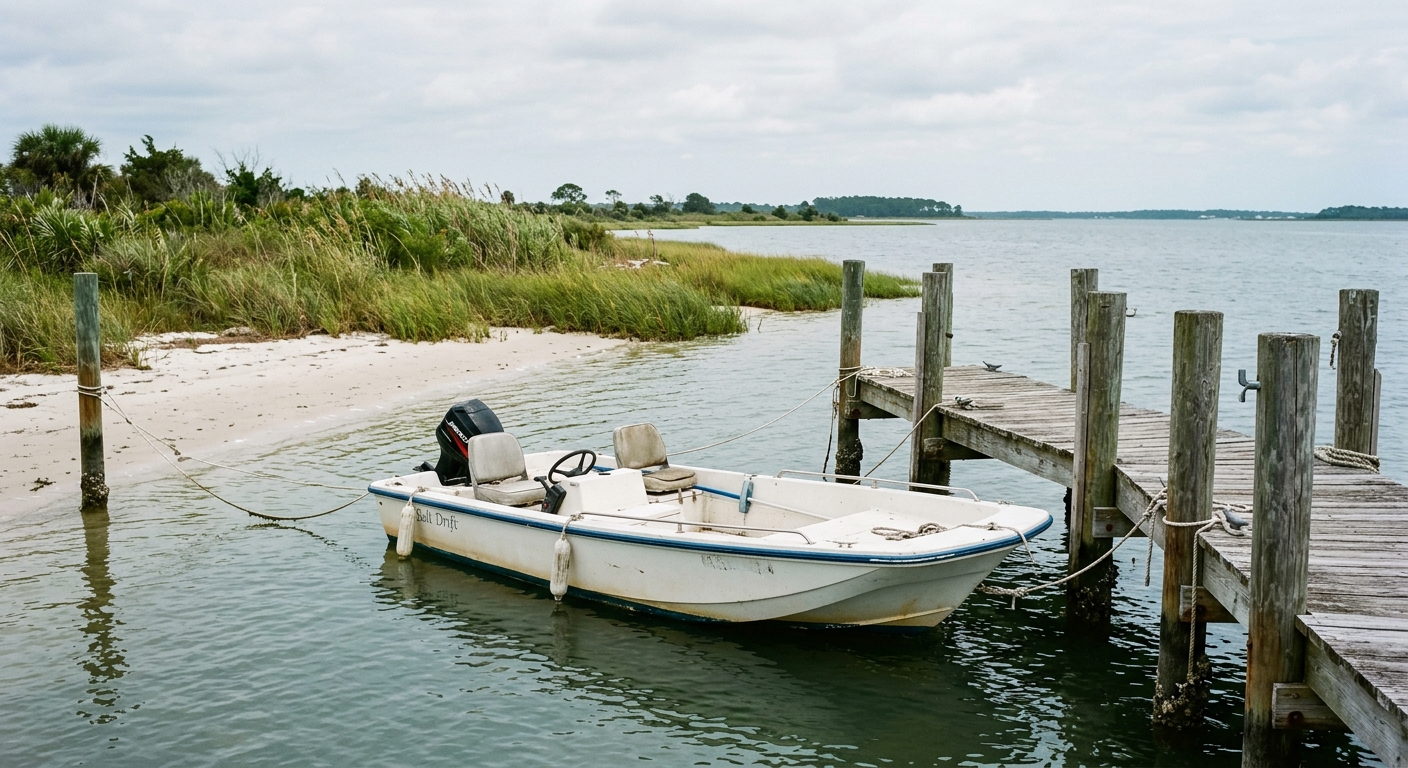
With persistent noreaster wind driving high tides and pounding surf, coastal erosion presented one of the storm’s most visible signatures. Beaches from Maryland to the greater New Jersey coastline experienced significant noreaster coastal erosion, with dunes and barrier islands losing vital sand cover. Marinas faced severe property damage, with reports of boats damaged or missing after being swept away by surging waters. These environmental losses stress the importance of proactive coastal management in both the Northeast and regions like Florida, which routinely contend with similar risks from Atlantic storms.
Travel and Event Disruptions Ripple Across Region
The transportation sector felt immediate effects, as noreaster travel disruptions forced the cancellation of hundreds of flights in major regional airports. Local roads faced closures due to debris and flooding, stranding travelers and residents alike. High-profile noreaster travel cancellations, including delayed or diverted trains and buses, further complicated holiday plans for many families. The storm’s reach extended to large-scale noreaster event cancellations, such as major concerts and sporting events, disrupting both local economies and traditions. Even private occasions felt the sting—on North Carolina’s Hatteras Island, a wedding was forced to adapt as guests became stranded by closed roads.
Heightened Vigilance and Regional Preparedness
As the noreaster northeast storm continued to lash the region, emergency authorities reiterated warnings urging residents to avoid flooded roadways and to heed official advisories. The potential for rising noreaster rain totals and ongoing high tides created an extended window of danger. Local governments activated shelters and disseminated information to support vulnerable populations. Florida officials encouraged residents to monitor updates, underscoring that lessons from this noreaster storm reinforce the value of comprehensive storm preparedness across the entire Atlantic coastline.
Lessons in Resilience for All Coastal Communities
This latest noreaster storm, while centered in the Northeast, offers important insights for Florida and other vulnerable regions. The event’s confluence of noreaster flooding, wind damage, and infrastructure strains tests the adaptability and resilience of entire communities. As residents work to recover, the storm serves as a powerful reminder that thorough emergency planning and clear communication remain vital in facing the ongoing challenges of climate and weather extremes.