- calendar_today June 11, 2026
Florida residents are watching closely as Midwest storms continue to affect large parts of the region, causing significant power outages and triggering widespread travel disruptions. The recent series of severe weather events across the central United States has highlighted ongoing risks to infrastructure, air travel, and public health nationwide.
Severe Weather Strikes Midwest and Beyond
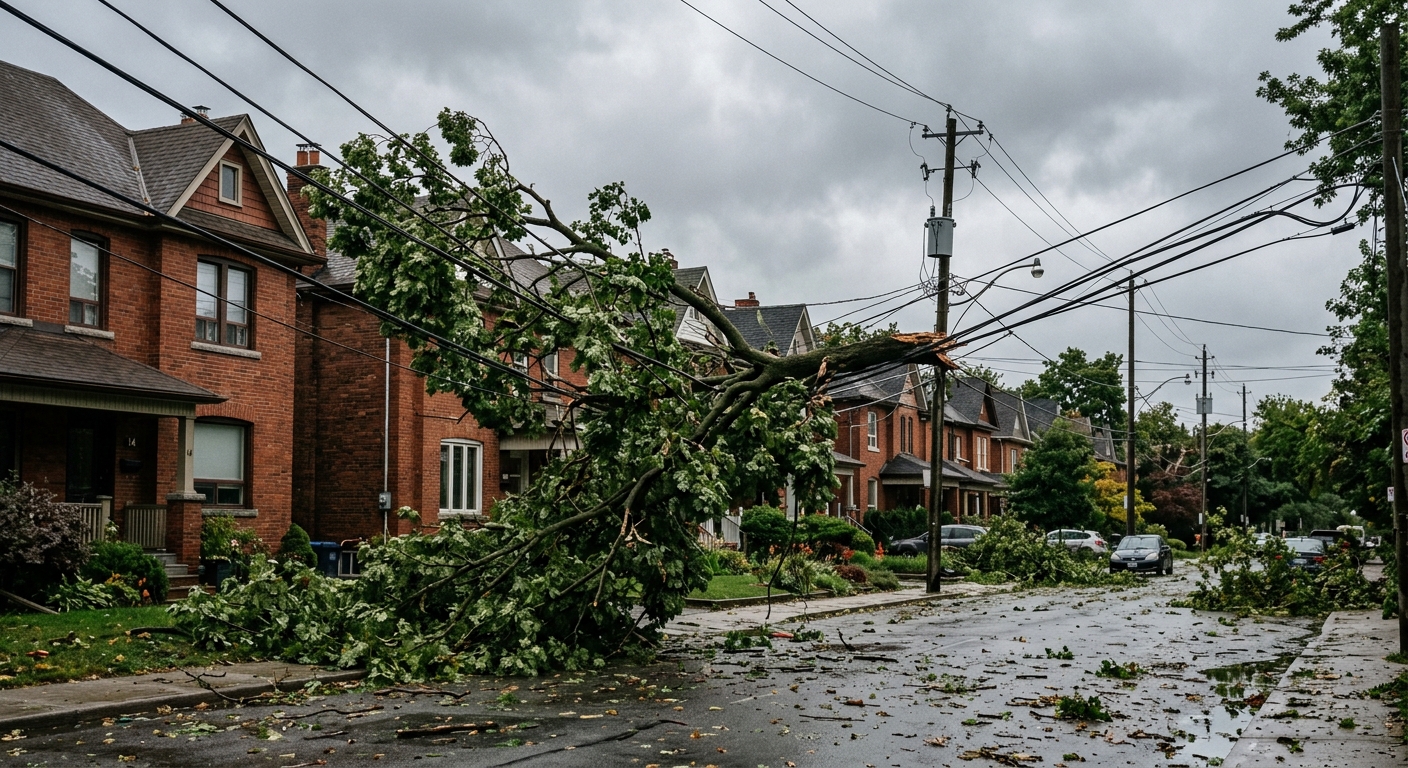
This week, volatile atmospheric conditions generated by a clash of cool Canadian air and warm, humid air from the south fueled powerful storms across the Midwest. States such as Illinois and Michigan reported more than 390,000 homes and businesses without electricity as high winds and downed trees took a toll on power lines. Utility crews have been working around the clock to restore power and limit further interruptions, underscoring the widespread impact of this severe weather.
Chicago Airports Experience Flight Disruptions
Residents and travelers in the region felt the effects acutely at major transportation hubs. Chicago airports faced over 1,000 flight disruptions during the peak of the storms, with O’Hare and Midway experiencing both delays and cancellations. Normal operations first began to resume by Thursday morning, though the ripple effects have continued for travelers, including those connecting to or from destinations like Florida.
Tornado Reports Heighten Concerns
The National Weather Service confirmed multiple tornado reports as the storms swept through the central Plains and parts of the Great Lakes. Local emergency management teams are assessing storm damage in affected communities, but so far, there have been no immediate reports of serious injuries or fatalities. As officials continue to monitor these developments, residents across the region are urged to remain vigilant for additional severe weather threats.
Heat Advisories in the Northeast and Mid-Atlantic
While the Midwest faces storm recovery, attention in the mid-Atlantic and Northeast regions has shifted to an intense heat wave. Heat advisories are in effect as temperatures soar into the mid-90s Fahrenheit, with humidity levels pushing ‘feels like’ readings over 100 degrees. Cities including New York and Philadelphia have implemented emergency measures, opening cooling centers and issuing guidance to help safeguard vulnerable communities—many of which have seen near temperature records set in recent days.
Regional Preparedness and Florida’s Response
As these extreme weather events unfold, Florida officials are coordinating with national agencies and monitoring conditions closely. The interconnectedness of electrical grids and air travel means events in the Midwest and Northeast can have downstream effects for Floridians, particularly during the height of hurricane season. State agencies are encouraging residents to stay informed, especially with new threats of midwest storms or mid atlantic heat potentially influencing local conditions.
Communities Adapt and Prepare
Despite the disruption and damage, communities are adapting by prioritizing safety, strengthening communication, and enhancing coordination with both local and regional officials. Authorities are emphasizing public education about severe weather, urging Floridians and others to have emergency plans in place, whether facing storm damage or extreme heat. As the forecast evolves, residents throughout Florida and neighboring states are reminded of the shared importance of vigilance and preparation in the face of increasing climate volatility.