- calendar_today August 10, 2025
In 2025, the U.S. government implemented sweeping tariff measures, including a 104% tariff on Chinese imports and a 25% tariff on foreign-made automobiles. These changes have sent shockwaves through global markets, and Florida—home to a diverse economy with key industries in agriculture, tourism, and technology—is already feeling the effects.
Within hours of the tariff announcements, financial markets reacted strongly, with the Dow Jones falling by over 2,200 points, and the S&P 500 losing nearly 10%. For Florida investors, many of whom are tied to industries that rely heavily on global trade, the impact is profound. In this article, we’ll explore how the tariffs are affecting Florida’s economy and offer actionable advice for local investors to navigate these changes.
The Economic Impact of Tariffs on Florida’s Key Sectors
Florida’s economy is multifaceted, with significant contributions from agriculture, tourism, real estate, and technology. The tariffs are affecting these sectors in various ways, creating challenges for investors, but also opening the door to new opportunities.
Agriculture and Citrus Industry
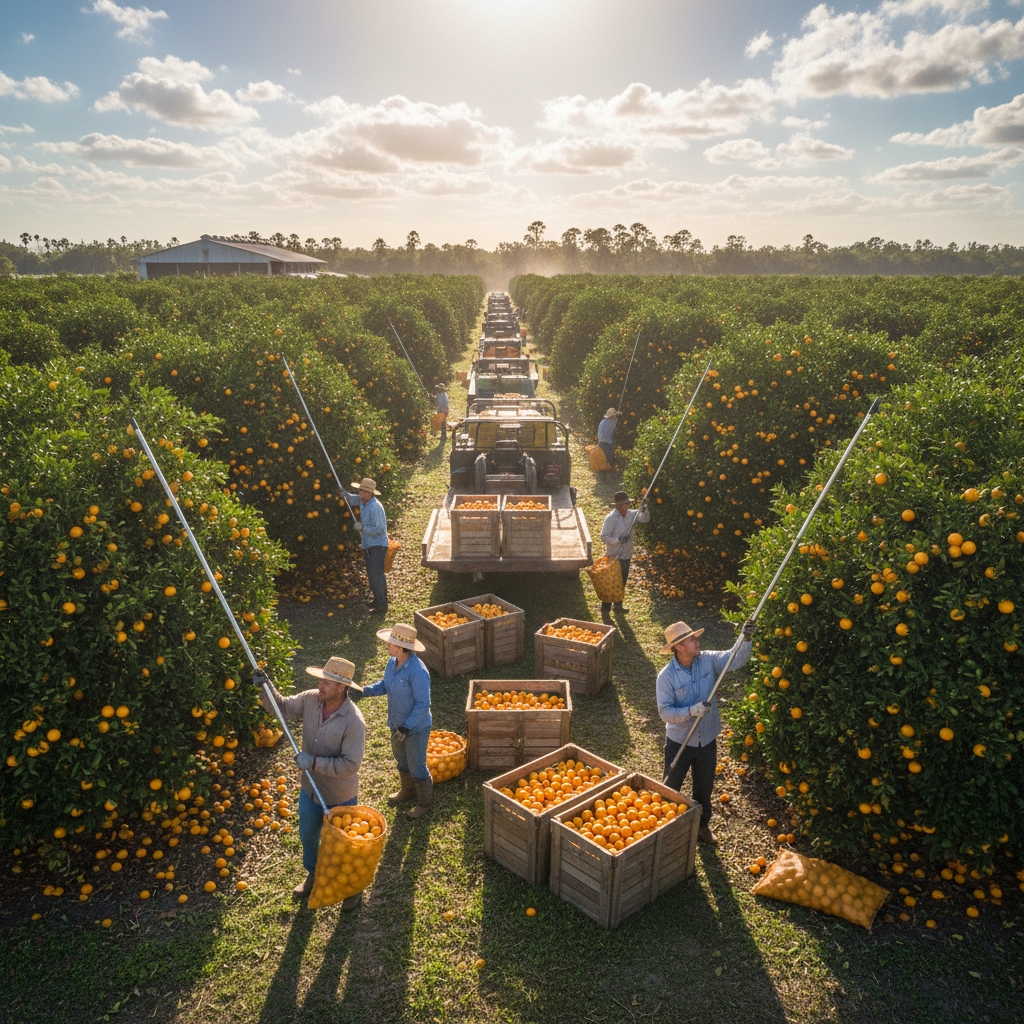
Florida’s agriculture sector is one of the largest in the nation, particularly known for its citrus production. The 34% tariff on U.S. agricultural exports by China is causing significant disruptions in Florida’s key crops, including oranges, grapefruits, and soybeans. China has been a key export market for U.S. agricultural products, and the tariffs have reduced demand for Florida’s produce.
Florida farmers, especially those in the citrus industry, are facing declining prices and growing competition from countries like Brazil, which has ramped up its citrus exports. Additionally, the USDA projects agricultural exports for FY2025 to reach $170.5 billion, slightly higher than 2024 but still below pre-tariff expectations. For agricultural investors in Florida, this means lower revenues and increased uncertainty as the state’s farmers try to adapt to the new market conditions.
Tourism and Hospitality
While Florida is not directly impacted by tariffs in the tourism industry, the broader economic instability caused by the trade war may affect consumer confidence and spending. Florida is a top tourist destination, attracting millions of visitors annually. However, tariffs on consumer goods, including electronics and vehicles, could lead to rising costs for tourists, potentially affecting travel plans.
The impact of tariffs on foreign exchange rates could also influence the number of international visitors. A stronger U.S. dollar, driven by the uncertainty caused by tariffs, could make travel to the U.S. more expensive for foreign tourists, leading to a slowdown in international visitation to Florida.
For Florida investors in the hospitality and tourism sectors, monitoring these trends and adjusting expectations for growth in visitor numbers will be essential in the short term.
Technology and Innovation
Florida’s tech sector is growing rapidly, particularly in software development, fintech, and biotechnology. However, the 25% tariff on semiconductor imports is creating challenges for tech companies in Florida. These tariffs increase the cost of critical components like chips and microelectronics, which are vital to many of Florida’s emerging technology startups and established tech giants.
Companies like Magic Leap and Roper Technologies, based in Florida, rely heavily on imported technology components. With tariffs driving up production costs, these companies may see squeezed margins, making it more difficult for them to remain competitive in the global market. Florida tech investors should monitor how local firms adjust their supply chains and explore opportunities in companies that are investing in reshoring their production or diversifying their supply sources.
What Florida Investors Should Do
Given the uncertainty caused by these tariffs, Florida investors need to take proactive steps to protect their portfolios and uncover new growth opportunities. Here are some strategies for navigating the current market environment:
- Diversify Across Industries
Given the uncertainty in agriculture and manufacturing, Florida investors should look to diversify their portfolios into industries that are less reliant on global trade, such as real estate, healthcare, and infrastructure. These sectors are likely to be more stable and provide long-term growth opportunities in the face of tariff disruptions. - Invest in Safe-Haven Assets
In times of heightened market volatility, gold, real estate investment trusts (REITs), and inflation-protected securities (TIPS) can provide stability and protection. As investors seek safe havens, these assets are likely to perform well during periods of uncertainty caused by tariffs and economic disruption. - Look for Opportunities in Reshoring and Domestic Manufacturing
The ongoing trade tensions could accelerate efforts to bring manufacturing back to the U.S., benefiting Florida’s manufacturing sector in the long term. Florida investors should focus on companies that are involved in reshoring production, particularly in industries such as automotive manufacturing, machinery, and clean energy. These sectors stand to benefit as more production is brought back to the U.S. to mitigate the impact of tariffs. - Monitor Agricultural Market Shifts
With the agriculture sector in Florida facing challenges due to tariffs, investors should carefully monitor commodity prices and market conditions. While Florida’s agriculture industry may be struggling, focusing on emerging trends like sustainable farming or organic produce could provide growth opportunities in the long term.
Turning Challenges Into Opportunities
While the 2025 tariffs have brought significant short-term disruptions to Florida’s economy, they also present opportunities in the long term. Reshoring efforts, the shift to clean energy, and Florida’s growing technology sector could all provide avenues for growth in the coming years.
For Florida investors, the key to navigating this turbulent period lies in flexibility and diversification. By staying informed, focusing on resilient sectors, and adjusting investment strategies based on evolving trade dynamics, investors can weather the current storm and position themselves for success as the global economic landscape shifts.