- calendar_today August 8, 2025
Rising Tariffs Drive Up Prices and Alter Consumer Trends in Florida’s High-End Auto Sector
Trump’s trade policies, including tariffs on European and Chinese luxury imports, are reshaping Florida’s luxury auto market, leading to higher costs and shifting consumer preferences.
Florida’s Luxury Auto Dealers Face Economic Shifts
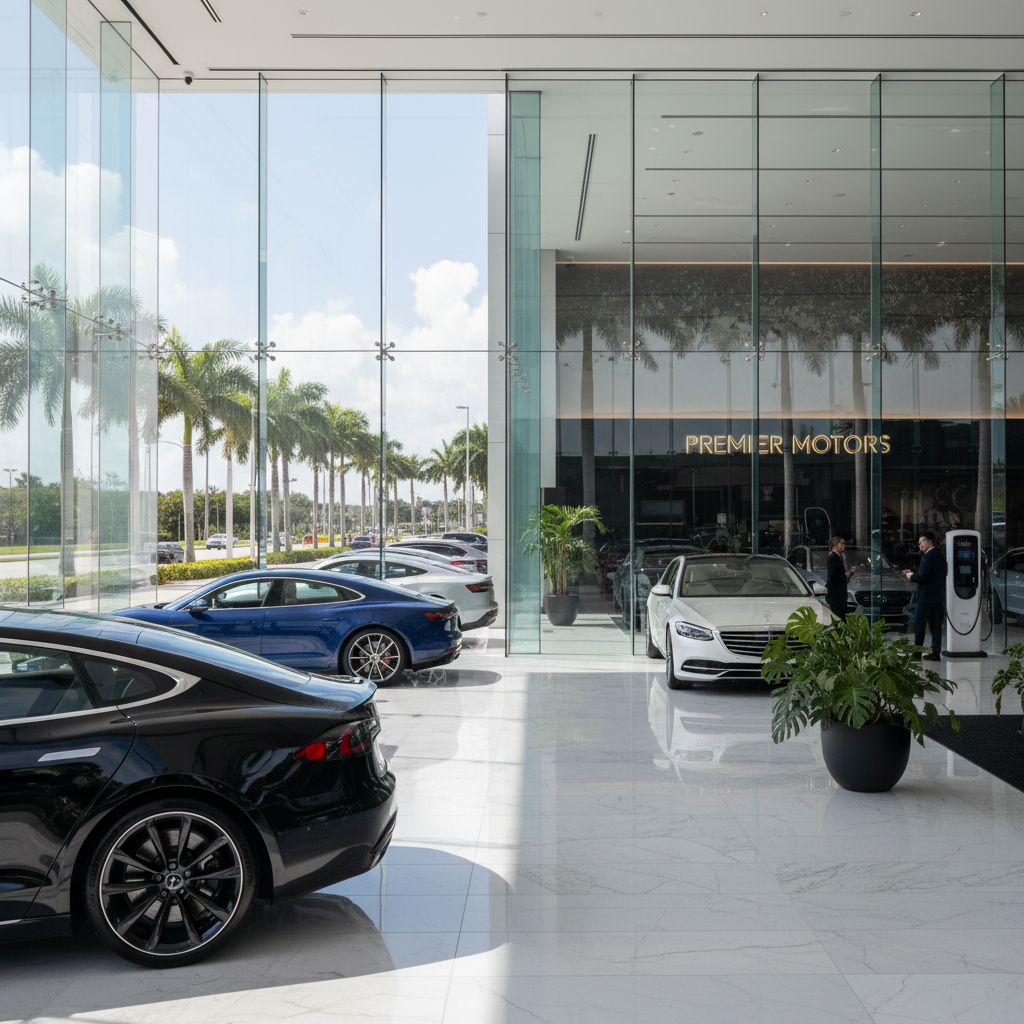
Luxury auto dealerships across Florida are struggling with the lingering impact of former President Donald Trump’s trade policies, which continue to shape the market in 2025. Tariffs on European and Chinese vehicle imports have disrupted supply chains, inflated vehicle prices, and forced dealerships to adapt in a competitive and evolving landscape.
With Miami, Orlando, and Tampa serving as major luxury auto hubs, Florida has long been a key market for high-end vehicles from brands like Mercedes-Benz, BMW, and Porsche. However, these manufacturers have faced rising import costs, pushing up sticker prices and reducing affordability for consumers.
European and Chinese Imports Hit Hard by Tariffs
Trump’s administration introduced tariffs on a broad range of imported vehicles and auto parts, particularly from Europe and China. While intended to address trade imbalances, these policies have led to significant price increases in the luxury segment, disproportionately affecting Florida’s international car market.
BMW and Mercedes-Benz, which rely heavily on European manufacturing, have seen their costs rise, making their vehicles less accessible to Florida’s high-end buyers. Similarly, Chinese luxury electric vehicle (EV) brands, such as Nio and Polestar, have struggled to compete in the Florida market due to tariff-related price hikes.
Higher Prices Shift Consumer Preferences
Florida consumers, especially in affluent areas like Palm Beach, Naples, and Coral Gables, have traditionally sought out luxury imports. However, rising costs have altered buying behavior. Many consumers have delayed purchases, while others are turning to certified pre-owned (CPO) vehicles as a more affordable alternative.
Industry analysts estimate that the average price of a European luxury sedan in Florida has increased by 10-20% since the implementation of tariffs, making financing more costly. While some automakers have attempted to offset these increases with aggressive leasing deals and discounts, they have not been sufficient to counterbalance the rising expenses.
Domestic and Electric Vehicles Gain Popularity
As tariffs continue to influence the market, domestic luxury brands such as Cadillac and Lincoln have seen a surge in interest from Florida buyers. These American-made alternatives provide a competitive edge by avoiding the import-related price hikes that have impacted European rivals.
Tesla has also emerged as a major beneficiary of the shifting landscape. Florida dealers report that Tesla’s high-end electric models, such as the Model S and Model X, are gaining traction due to their relative pricing stability. Unlike European and Chinese competitors, Tesla’s US-based production shields it from import tariffs, making its vehicles more attractive to luxury buyers in 2025.
Looking Ahead: Will Trade Policies Change?
Although President Biden’s administration has revised some aspects of Trump’s trade policies, many of the tariffs remain in place. Florida’s auto industry stakeholders are closely monitoring trade negotiations to determine if future adjustments could ease the financial strain on luxury imports.
For now, dealerships must navigate an uncertain market, balancing rising costs, changing consumer behaviors, and geopolitical trade tensions. Brands that adapt through local manufacturing, creative financing options, and strategic pricing will be best positioned to maintain a strong foothold in Florida’s luxury auto sector.
Conclusion
Trump’s trade policies have left a lasting imprint on Florida’s luxury car market. While some dealerships continue to struggle with higher import costs, others are shifting their focus to domestic brands and electric vehicles to remain competitive. As the industry evolves, both auto dealers and consumers must adjust to an increasingly dynamic luxury auto landscape in Florida.