- calendar_today August 29, 2025
Florida’s economy was returning in 2025 as inflation pressures begin to abate. Having weathered the successive principal challenges of the last few years, from inflation to supply chain turmoil, the Sunshine State now is seeing definitive signs of a recovery and fresh momentum. The reversal is as good news for Florida workers and businesses as it is for its residents, which have been struggling with inflation and economic uncertainty.
Inflation Relaxes, and Floridians Breathe Easier
Maybe the biggest challenge Florida had to get through was the stratospheric inflation spikes, which hit everything from groceries to real estate and gasoline. For most families, the astronomical prices meant a cash pinch every day. But now that inflation rates are finally decreasing, Floridians are finally starting to breathe as a group. Prices are stabilizing, and the surge is much smaller than in previous years.
This deflation gives consumers and businesses increased predictability and certainty. Consumers can spend more loosely, as their dollars go a little further. Businesses can more confidently plan investment and hiring without anticipating surprise cost shocks.
Diverse Economy Fuels Growth
Florida’s diversified economy is the main reason why it has rebounded. Compared to other regions that rely on a single industry, Florida is a blend of tourism, agriculture, manufacturing, healthcare, and technology. This hedging impact shields the state from a downturn in one sector.
Tourism, one of the main drivers of Florida’s growth, is picking up pace as travel restrictions are removed and consumers are becoming increasingly confident. Beaches, theme parks, and hotels are welcoming more visitors, pumping cash into local economies. Meanwhile, agriculture is a consistent performer, offering domestic and foreign markets fruits and vegetables like citrus fruits.
Manufacturing and logistics businesses are also increasing, since Florida is a gateway to Latin America and the Caribbean. Manufacturing facilities, distribution centers, and warehouses are creating jobs and economic activity through new development.
Job Market Strength and Workforce Initiatives
Florida’s labor force remains robust even with the recovering economy. Unemployment remains at historic lows, pre-pandemic levels. Openings in the points of employment abound in all sectors, especially the healthcare, construction, and technology sectors.
To ensure this growth continues, Florida invested in programs for workforce development. Programs that include upskilling staff and training due to the needs of the marketplace are opening the doors for more Floridians to receive good-paying jobs. An example is healthcare and technical training that’s on the rise, with the goal of filling important workforce positions.
These kinds of programs play a vital role in keeping the workforce in sync with shifting economic needs, causing long-term stability and growth.
Housing Market: A Mixed Picture
As good as the economy in Florida is doing, the housing market must be problematic. Housing is some of the most costly because there is continuous demand and not much supply. Most of the first-time homebuyers still find it hard to enter the market, and rentals in most of the cities are costly.
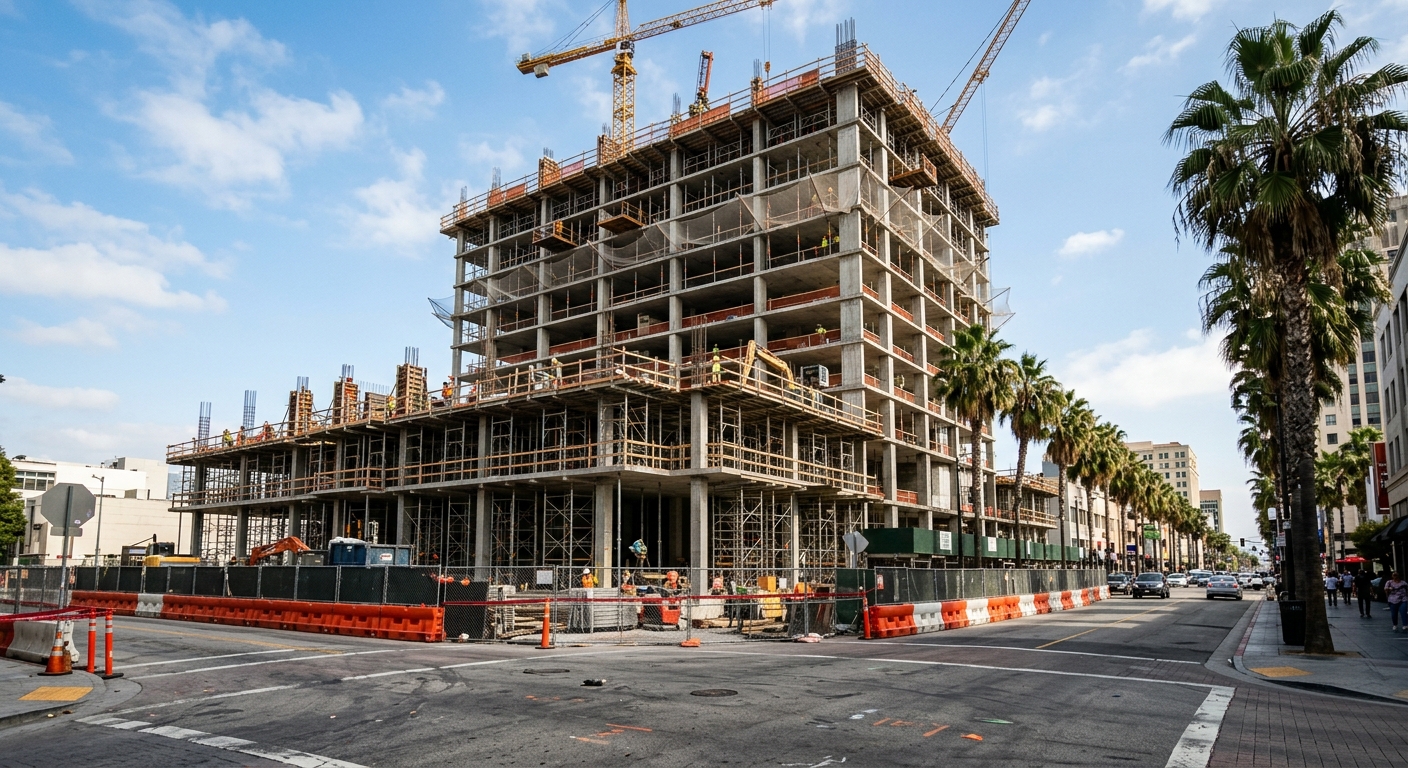
But there are some glimmers of hope. Developers gradually began rolling out new scheme building, and as inflation slows down, building costs would be more easily contained. This would help to increase future housing supply.
Affordability will also be on the buyer’s and tenant’s mind, with policy makers and developers looking for answers that trap growth without losing out on accessibility.
Looking Ahead: Opportunities and Challenges
Florida’s economic boom is welcome, though it is risky. Growth can be influenced by the state’s national and international drivers — interest rate cycles, world politics, or other breaks in the supply chain.
But the state’s aggressive approach, investing in infrastructure, workforce development, and pro-business policies, prepares it to ride out uncertainty.
With the inflation pressures easing, consumer spending will continue to pick up steam further, benefiting small businesses and local economies. Job growth and tax coffers will be further boosted by the continued turnaround in the tourism sector.
Florida’s overall economic mix of diversification, robust labor market, and strategic efforts gives a promising outlook for 2025 and beyond.
What This Means for Residents
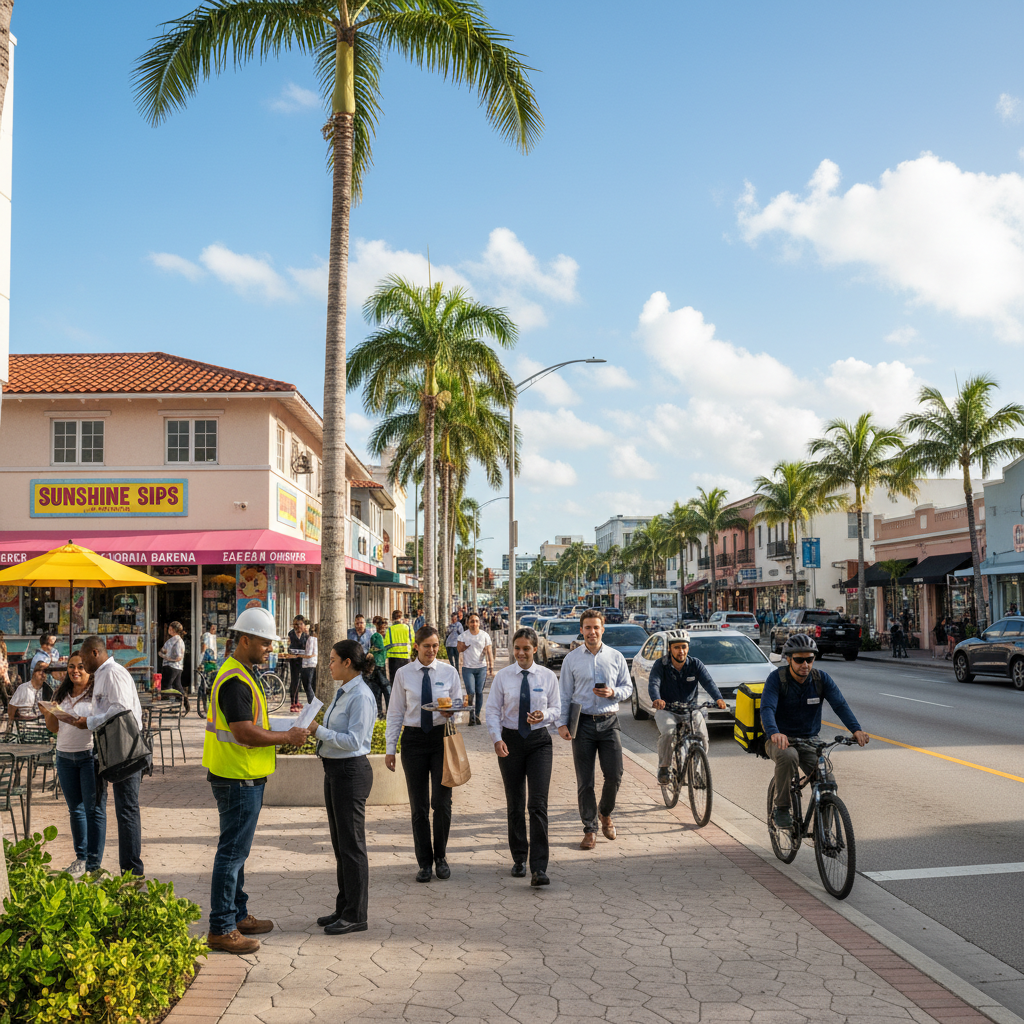
To Florida’s average citizen, a healthier economy means more jobs and economic security in prospect. Lower inflation means that family budgets stretch further, eliminating fear of living costs on a daily basis. A healthier labor market means more chances to secure good work or advance career ranks.
In addition, ongoing investment in training and education allows workers to stay ahead of new industries and technologies, providing livelihoods for the future.
Communities will fare better as well because growing businesses create local jobs, and tourism brings money into local economies in cities and towns throughout the state.
Final Thoughts
Florida’s economic recovery amidst moderating inflation is a source of relief to both businesses and citizens. Although there are still challenges to be addressed, like affordability in housing, the overall trend is one of resiliency and rebirth. With a diversified economy, a resilient labor force, and innovative efforts, Florida stands poised to build an even more resilient, more inclusive economy in the future.