- calendar_today August 11, 2025
The recent action by the Federal Reserve to leave the federal funds rate at 4.25% to 4.5% has drawn the attention of the whole United States, including Florida. This action to stop any hike or reduction in rates comes after increasing economic uncertainty fueled by various variables like trade policy and inflation concerns. As consumers, businesses, and investors respond to the actions of the Fed, Florida’s multicultural economy is prepared to meet challenges and opportunities both.
Implications to Florida’s Economy
The Florida economy is robust, having a solid foundation in its tourist sector, resilient real estate sector, and emerging industries. The Federal Reserve’s action to maintain interest rates as is will have multiple effects on the economic fate of the state.
Real Estate Market
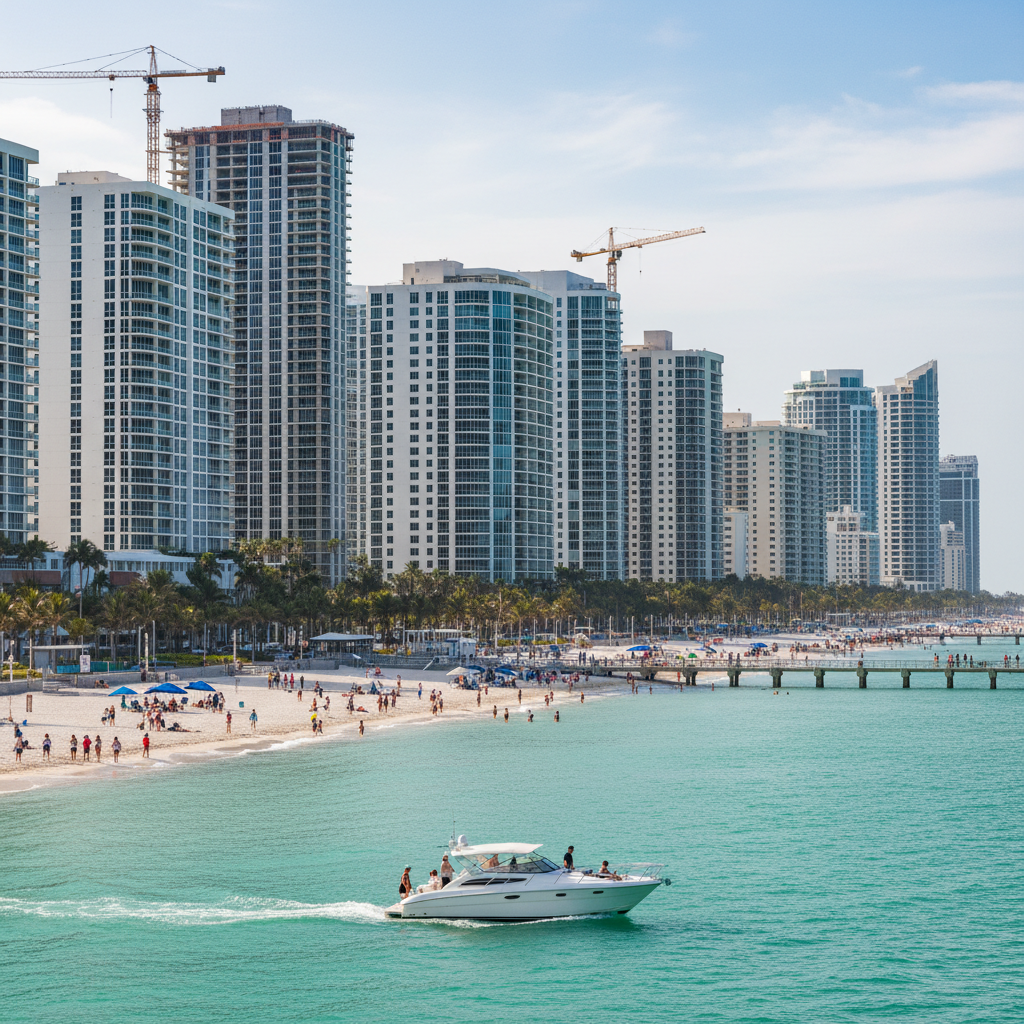
Florida’s real estate market has been relatively robust despite the general economic concerns. Florida home purchases, particularly new homes, had a minimal increase in February, with the entire U.S. market recording a 1.8% boost in new home sales. The South and Midwest states, which include Florida, were among the biggest drivers of this gain. While the Fed’s action to leave interest rates steady has been among the factors in continuing this growth, there are still hurdles.
Mortgage rates, though static, remain elevated compared with their historical norm. Homebuilders are growing wary of long-term demand for new housing and responding by offering tempting incentives. Builders have been cutting home prices or offering mortgage-rate buydowns, which reduce the monthly cost for home buying. All of this has not yet encouraged sufficient buyers to be confident enough to return to the market, and some still remain waiting for signs of future reductions in rates before committing to large investments.
Consumer Spending and Tourism
Tourism is a very important part of Florida’s economy, and the state’s performance is also conventionally closely connected with consumer behavior, which may be influenced by interest rate moves. Since the rates are steady, it is expected that the tourism will also remain steady since consumers may feel more secure in making their choices. The theme parks, beaches, and sunshine of Florida continue to attract visitors, making it an attractive place for domestic and international tourists.
But overall economic insecurity could keep the outlook in check. While interest rates are not rising, inflation and the ongoing trade tensions could exact their cost on consumer confidence, particularly in areas such as dining, retailing, and entertainment. If the consumers begin to feel squeezed for cash, they will cut back on discretionary spending, which will filter down to the tourist sector.
Investor Sentiment and Market Response
Florida’s investors are also reacting to the Federal Reserve’s move. Financial markets are volatile in times of uncertainty, and holding rates is a sign of the Fed’s hesitation to control inflation without causing a sharp slowdown.
Some investors are reassured by the Fed’s move, viewing it as a sign that the central bank is aware of the thin line between controlling inflation and stimulating economic growth. Others, however, remain concerned about the future of inflation and the risk of economic stagnation. Projections indicate that reduced growth, along with higher inflation, could lead the Fed to further alter its monetary policy in the future.
For Florida investors, this ambivalence has translated into a wait-and-see approach. Those with investments in industries that rely on borrowing at low interest rates—such as real estate, construction, and consumer goods—are waiting for any sign of changes ahead in interest rates. Others with investments in the technology and healthcare industries can maybe remain less worried about the Fed’s action because they are relatively insulated from interest rates.
Looking Ahead: Florida’s Economic Future
As Florida continues to monitor the Federal Reserve’s decision, several sectors are closely assessing potential impacts. The state’s real estate market is cautiously optimistic, despite ongoing concerns about affordability and borrowing costs. Meanwhile, the tourism industry remains hopeful for sustained consumer spending as the state’s peak season nears its end.
In the coming few months, Florida’s economic players will need to stay flexible, responding to shifting fortunes. Entrepreneurs are adjusting to a landscape characterized by stable interest rates, and investors are moving cautiously in order not to cause any market jitteriness. Consumers will also feel the sting of inflation, although they will adjust their consumption behavior.
Conclusion
In short, Florida’s economy is treading a thin line after the Federal Reserve decision to maintain interest rates steady. The state’s real estate market is expanding gingerly, and tourism remains a top driver of the economy. Irrespective of uncertainties, players in Florida are hopeful but cautious, and willing to adapt to changing economic trends. The year-long focus of Florida will be on the effects that national money policies, particularly the actions of the Fed, will have on the state’s financial future.