- calendar_today August 8, 2025
Florida Real Estate Trends 2025: A Tale of Two Markets
In 2025, Florida’s housing market presents a picture of contrast and complexity. The Sunshine State continues to attract buyers from across the country and overseas, yet affordability, insurance costs, and inventory fluctuations are reshaping how and where people buy.
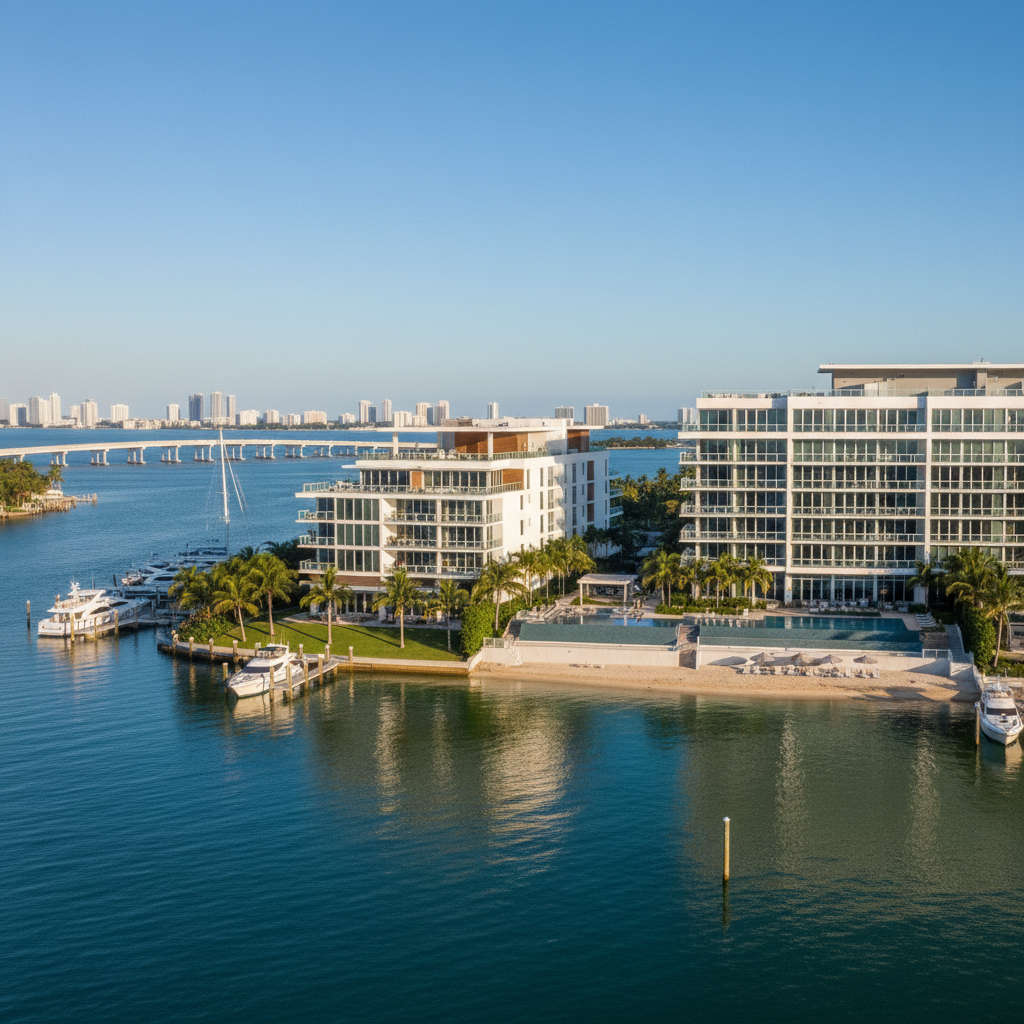
In South Florida—particularly in Miami, Palm Beach, and Naples—the luxury segment has regained strength. International investors are playing a pivotal role in this rebound, drawn by Florida’s favorable tax climate and premium waterfront properties.
Realtors across Miami-Dade County report an increase in all-cash purchases in the $2 million and above bracket, as buyers look for lifestyle homes rather than investment flips. Coastal condos, once hit by insurance and maintenance worries, have seen renewed interest following structural updates and revamped policies.
According to a recent report by the Florida Realtors Association, luxury home inventory in the tri-county area dropped by 11% compared to last year, putting upward pressure on prices in premium neighborhoods like Brickell and Coral Gables.
Affordability Struggles in Central and North Florida
While the high-end market holds steady, middle-income buyers in cities like Orlando, Tampa, and Jacksonville are facing mounting affordability concerns. A combination of rising insurance premiums, higher mortgage rates, and limited starter-home inventory has priced out many first-time buyers.
Tampa, once considered a haven for affordable relocation, now shows a median home price of $405,000, a 7% increase from 2024. Orlando’s surrounding suburbs have experienced similar hikes, driven partly by demand from out-of-state residents and remote workers.
To combat the crunch, some municipalities are expanding zoning regulations to encourage more multifamily housing, though these changes are still in early stages and have yet to make a substantial impact.
Insurance and Climate Risk Still Loom
Home insurance continues to be a hot-button issue across Florida. While recent legislative efforts aim to stabilize the insurance market, many homeowners—especially in flood-prone or hurricane-exposed zones—are seeing premiums that exceed $6,000 annually.
This has slowed the pace of transactions in certain Gulf Coast communities, particularly where climate risk remains high. Buyers are now factoring in long-term environmental sustainability and insurance costs before making final decisions.
Investor Activity: Short-Term Rentals Under Scrutiny
Florida remains a hotbed for investor-owned vacation properties, particularly in beach towns and tourist-driven areas like Destin and Fort Lauderdale. However, tightening regulations around short-term rentals are prompting some investors to reevaluate.
Counties like Orange and Monroe have introduced stricter licensing frameworks, while homeowner associations (HOAs) are increasingly placing caps on Airbnb-style rentals. These changes could reduce speculative activity, creating room for more owner-occupants in the near future.
Outlook: A Divided but Stable Market
The outlook for Florida’s real estate in 2025 suggests continued regional disparity. Luxury markets along the coast are expected to stay competitive, fueled by international capital and domestic high-net-worth buyers. Meanwhile, inland markets may experience slower growth due to affordability constraints.
That said, Florida’s long-term desirability, driven by lifestyle, weather, and tax advantages, remains a stabilizing force. New construction is slowly catching up, with over 18,000 permits issued in Q1 2025 alone, according to state data.