- calendar_today August 28, 2025
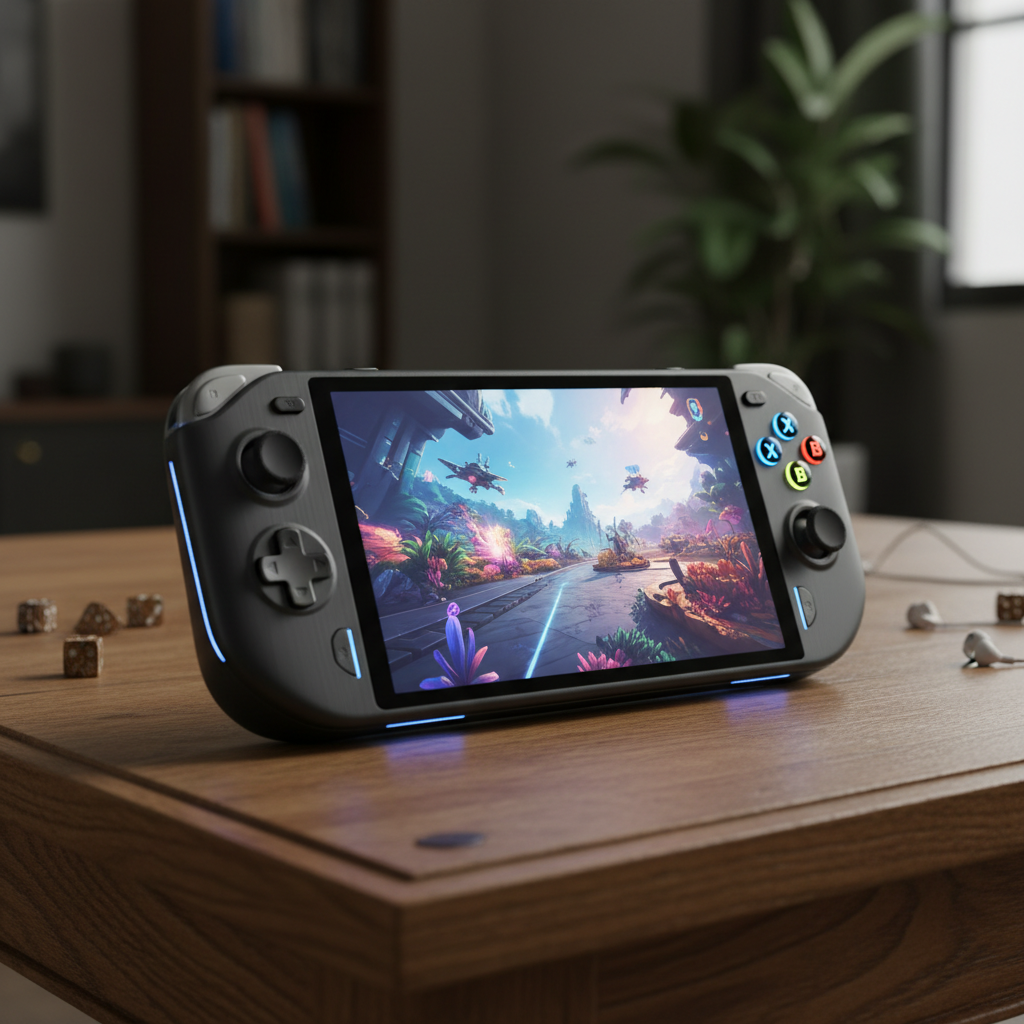
Microsoft enters the portable gaming sector with a new Xbox-branded user interface designed specifically for Windows devices. The new ROG Xbox Ally portable gaming handheld will showcase this development in partnership with Asus to deliver a seamless gaming experience for mobile PC gamers.
Valve’s Steam Deck has maintained dominance in the portable gaming market for several years by providing a Linux-based SteamOS as an alternative to Windows. The Steam Deck has achieved success through its dependence on Proton for running Windows games and its native support for only certain games. The market demonstrates strong interest for portable gaming hardware that functions independently from conventional Windows systems.
Microsoft in partnership with Asus seeks to provide a unified gaming experience by superimposing a console-like interface on top of Windows. The interface builds on Windows rather than Linux like SteamOS which enables complete PC game compatibility alongside a clean gamepad-friendly user layout.
A Console-Like Experience on a Windows Backbone
The new Xbox UI will debut on the ROG Xbox Ally and Microsoft plans to expand this UI to additional Ally handheld devices before implementing it across other Windows handheld systems in the upcoming year. The connection between this UI and Microsoft’s 2022 internal “Windows Handheld Mode” hackathon concept remains unconfirmed but its design goals match those of the initiative.
The interface presents a complete screen tile-based design that mirrors the gaming experience users see in Xbox and Nintendo Switch platforms. The simplified environment created for portable play addresses persistent problems with controller support and touchscreen usability that have affected Windows handheld devices.
Efficiency Gains That Matter for Gamers
The updated UI offers performance improvements in addition to visual enhancements. The ROG Xbox Ally system operates without the standard Windows desktop and taskbar which allows for better resource management. Microsoft reports that their interface design reduces RAM usage by several gigabytes and lowers energy consumption which is essential for devices that run on batteries and are used for gaming.
The new system represents a substantial upgrade from previous handheld PCs such as the original ROG Ally which bore the entire load of Windows together with additional software like Asus’ Armoury Crate. The additional interface layer was intended to bridge Windows’ constraints with portable device requirements yet resulted in sluggish system performance. The Xbox UI presents an optimized solution which streamlines user interaction.
Microsoft continues to support the desktop experience alongside their new interface options. Users who prefer the conventional Windows interface maintain the option to access it. The system provides players with flexibility by enabling them to operate a console-style gaming interface and maintain complete Windows functionality for their other activities.
A Delayed Response to the Steam Deck Surge
The new interface shows potential but Microsoft’s response to the Steam Deck came too late. The handheld device released by Valve was initially regarded as experimental with potential flaws that could prevent its success. As time passed both the Steam Deck improved and SteamOS expanded its compatibility to support more devices such as specific Asus hardware.
The foundational projects Proton and Wine which enable SteamOS functionality have seen significant advancements. These projects enable Linux systems to play many Windows games which reduces Windows’ primary selling point of universal compatibility. Linux desktop usage reached the significant 4% global threshold because of its slow but steady advancement in the past year.
The PC market was controlled by Windows for many years since all software functioned smoothly on it. The stability of platforms such as SteamOS is breaking the cycle that previously forced users to stay on Windows. Players have discovered that they can access numerous popular games without needing Microsoft’s operating system.
Microsoft demonstrates recognition of changing trends and attempts to stay competitive by introducing the Xbox-branded UI. The impact of Microsoft’s Xbox-branded UI on bringing back gamers who’ve switched to other platforms is still uncertain. Microsoft finally demonstrates its willingness to develop a future focused on handheld technology without pushing users toward an overloaded desktop system.