- calendar_today August 12, 2025
Is Florida’s Real Estate Market Still Worth Investing In?
If you’re eyeing Florida in 2025, you’re not alone—and for good reason. With its steady population growth, favorable tax climate, and world-renowned cities, Florida has always attracted real estate investors. But in today’s market, it’s not just about sun and sand. It’s about strategy, timing, and knowing exactly where (and what) to invest in.
The days of fast flips and soaring home prices are giving way to something more nuanced: a maturing market that still holds potential—but only for those who do their homework.
Rents Are Rising—But So Are Costs
Across Florida, rental demand remains strong. Miami, Orlando, Tampa, and Jacksonville have all seen rental increases, with the average rent for a one-bedroom in Miami hitting $2,750 in early 2025—up nearly 6% year-over-year. But this growth comes with a catch: higher insurance premiums, climbing property taxes, and more competition.
That said, Florida remains a no-income-tax territory, and investors continue to benefit from favorable landlord laws and a growing base of remote workers, retirees, and international renters.
The trick? Avoid overleveraging. Investors who lock in stable mortgage rates and focus on long-term tenants, especially in high-growth corridors like Lake Nona in Orlando or Midtown Tampa, are better positioned to weather the cost-side pressures.
Miami’s Market Matures While Secondary Cities Step Up
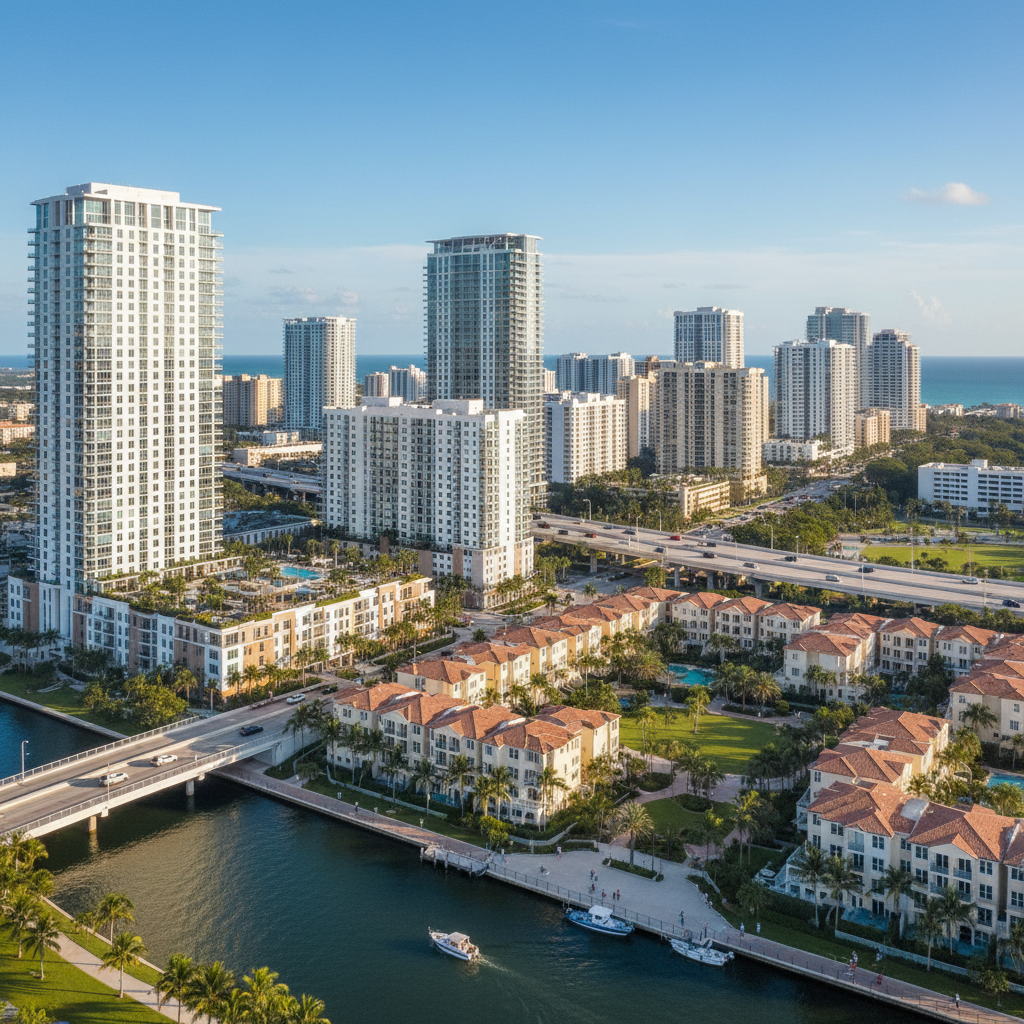
Miami’s luxury condo boom has cooled slightly, but it’s far from fading. Foreign buyers—especially from South America and Europe—continue to invest in pre-construction units and high-rise condos in Brickell and Edgewater.
However, seasoned investors are also looking beyond Miami. In places like Port St. Lucie, Cape Coral, and Ocala, lower entry points and increasing migration are pushing demand higher. According to recent state data, Cape Coral saw a 14% increase in rental applications from out-of-state residents in the first quarter of 2025.
In other words, Miami still shines, but the real gems may be inland or up the coast.
Orlando: Not Just Theme Parks Anymore
Orlando’s reputation as a tourism hub is well-earned, but in 2025, it’s also becoming a magnet for tech startups, medical research firms, and logistics companies. This diversification has helped stabilize the housing market, with single-family rental homes in neighborhoods like Lake Nona, Winter Garden, and Avalon Park in particular high demand.
Vacation rental investors are treading more carefully in this region due to shifting regulations, but long-term rentals tied to job growth are thriving.
Insurance Headaches Are Real—but Manageable
If there’s one issue Florida investors can’t ignore, it’s insurance. With hurricanes, floods, and rising premiums, some areas—especially coastal ones—come with steep risk. Insuring a property in Fort Lauderdale, for instance, can cost two to three times more than a similar home in Gainesville or Tallahassee.
Smart investors are responding by:
- Choosing homes built after 2002 (to meet stricter building codes)
- Prioritizing flood zone research before closing
- Working with local insurance brokers, not just national chains
These moves won’t eliminate risk, but they can significantly reduce exposure.
The REIT Route: Hands-Off Investing with Florida Focus
Not every investor wants to deal with tenants and toilet repairs. For those seeking passive exposure to Florida real estate, REITs (Real Estate Investment Trusts) offer an increasingly attractive option.
In 2025, several REITs are heavily invested in Florida multifamily, self-storage, and industrial real estate, particularly near I-4 and I-95 corridors. With the state’s economic engine humming and migration still trending upward, REITs with a Florida footprint are quietly outperforming national averages.
What’s Ahead? Key Trends to Watch in Florida Real Estate
As we move deeper into 2025, investors should keep an eye on the following:
- Insurance Reform: Legislative efforts are underway to stabilize Florida’s volatile insurance market. Success could reopen doors in coastal zones.
- Zoning Changes: Cities like Tampa and Sarasota are considering rezoning that could increase density and encourage affordable housing builds.
- Interest Rate Movement: A potential rate cut late in 2025 could unlock refinancing and increase buyer activity, especially from sidelined first-time homeowners.
Should You Buy in Florida Right Now?
That depends on your strategy. If you’re looking for a quick flip, you may be late to the party. But if your plan includes long-term holds, strong property management, and risk-mitigation tactics, Florida remains a strong contender.
It’s not 2021 anymore—and that’s a good thing. The frenzy has passed. What’s left is a more balanced market, full of opportunities for thoughtful investors who are ready to adapt.
The Sunshine State still shines—but only for those who look beyond the obvious.