- calendar_today August 12, 2025
The recent imposition of trade tariffs by President Donald Trump on products from countries such as Canada, Mexico, and China has brought significant economic shifts across the whole of the United States, including Florida. The economy of the state, which relies heavily on massive industries such as agriculture, manufacturing, and tourism, is impacted directly and indirectly by these policies. They are meeting such occurrences with a mix of measures to adjust to the new economic scenario.
Agricultural Sector Challenges
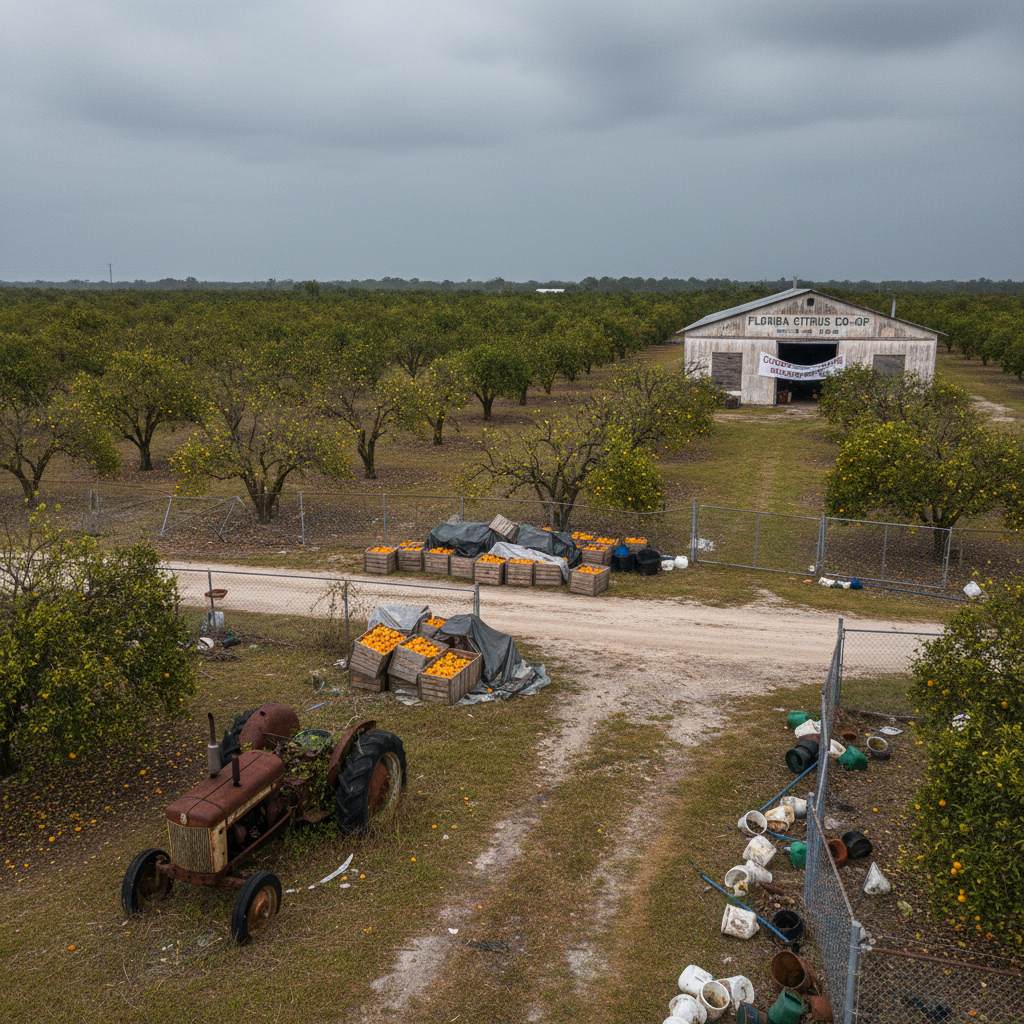
Florida’s farm economy, which underpins Florida’s economy, has been greatly affected by the trade measures, particularly within the citrus sector. Florida grows the most oranges and other citrus fruits, while the production of orange juice is also one of the largest exports. However, the imposition of tariffs on farm produce by Canada, one of Florida’s largest trading partners in citrus, has contributed to the already disadvantaged environment for Florida farmers.
Canada, Florida’s largest export market for orange juice, responded with a tariff that increases the price of Florida-bottled juice. This was an additional economic hardship for citrus growers, who already were struggling with a litany of issues such as disease in crops in the form of citrus greening and impacts from extreme weather events such as hurricanes. The tariffs have led to lower profit margins or even reduced demand for some farmers’ produce since the increased price of orange juice deters some foreign consumers.
These problems have added to the costs of orange juice and other citrus fruits, which affect Florida farmers as well as Florida consumers and consumers around the world. Even though some farmers are optimistic that future negotiations will be beneficial, others believe that these trade disputes will hurt the citrus industry for decades to come.
Manufacturing Industry Adjustments
The manufacturing industry in Florida is also negatively impacted by the effects of the trade policies. One of the manufacturers went out of its way to hedge tariffs. A case in point is that of Cra-Z-Art, one of the big Florida-based toy makers. Because of the tariff-spurred rises in imported goods prices, Cra-Z-Art decided to expand domestic capacity for Florida and Tennessee manufacturing. This step helps the company in reducing its reliance on imports of products from countries such as China, which earn more tariffs.
By making more domestically, the firms aim to avoid higher costs and supply chain disruptions that result from the tariffs. The action not only lowers the price but also maintains companies in a position to meet consumer demand with little time delay. The action comes with its own set of issues, however, such as increasing domestic manufacturing capacity and presumably higher domestic labor.
Consumer Impact
Florida consumers are also taking the hit from Trump’s trade policy. With tariffs on a wide range of products, from electronics to household items, consumers will end up paying higher prices at retail stores. Economists predict that businesses will pass on the added costs due to tariffs to consumers, and prices will rise on such things as:
- Electronics, particularly those with components manufactured in China.
- Household materials, including appliances and furniture.
- Imports from foreign nations like Canada and Mexico, including materials and vehicles.
In Floridians’ terms, this means household expenditure and disposable income possibly increase on a day-to-day basis, thereby pushing business as well. Customers would be less keen to spend more due to the added expense.
Tourism and Trade Relations
Florida’s economy is also highly linked to tourism, and foreign trade policy impacts this industry indirectly. The foreign tourists are crucial to the state, and one of the greatest sources of Canadian foreign tourists to Florida is Canada. With heightened tension in trade tensions between Canada and the U.S., concerns are rising that Canadian tourists will reconsider holidays owing to uncertainty within the economy and higher spending.
Florida’s trade relations with Canada are deep in terms of aerospace and construction materials, both of which could be vulnerable to increased price if tariffs are imposed on imported goods from Canada. Rising prices for materials would affect Florida’s construction and infrastructure industry, which would incur extra costs on projects and retard growth throughout the state.
Conclusion
While Florida grapples with the nuances ushered in by President Trump’s trade policy, it is clear that various segments of the economy react differently. The farm sector has export challenges and higher production costs, manufacturers need to redefine their supply chains, and the consumer may witness rising prices for most things. The state’s tourism and trade relationship with Canada also stands to be affected by rising trade tensions.