- calendar_today August 10, 2025
Florida Economy Responds to Trump’s Tariff Flexibility as Investors Look to Market Growth
Introduction:
Florida’s economy is responding to recent reports that President Donald Trump could be displaying “flexibility” on U.S. tariffs. The remark prompted a Dow Jones futures jump, generating optimism throughout the Sunshine State for economic relief. With sectors such as tourism, agriculture, and global trade being a significant contributor to Florida’s economy, the potential for eased tariffs could prove highly beneficial.
While investors watch for these developments, experts indicate that the relaxation of tariffs will ease financial pressures on businesses and spur domestic economic growth. Florida markets now stand to reap possible benefits as developments take shape.
Tariff Flexibility Fuels Market Optimism
Trump’s indication of tariff flexibility sent Dow Jones futures up more than 600 points, as investors felt more optimistic. In Florida, where global trade is an important economic stimulator, the prospect of lower tariffs would make it easier on businesses and improve profit margins.
Financial analysts think that Florida’s multibrand market—ranging from tourism, agriculture, and logistics—will benefit from any reduction in tariffs. Robert Martinez, a Miami-based financial consultant, said, “Lower tariffs can decrease costs for local businesses and enhance market confidence. Both small firms and big companies can gain from it.”
Florida’s Trade and Tourism Sectors in Focus
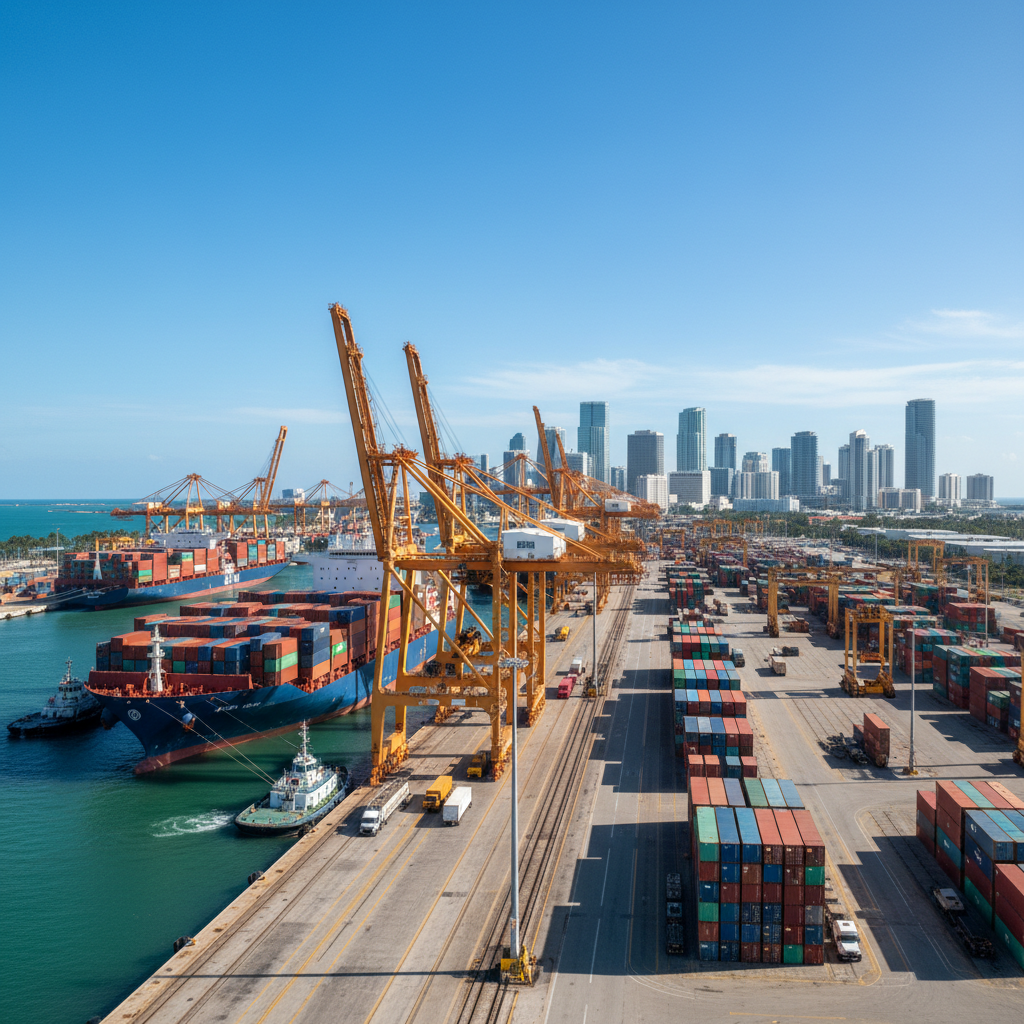
Being a significant trade hub for the international community, Florida’s ports—PortMiami and Port Everglades—deal with millions of tons of imports and exports every year. Tariffs on imported products have raised the cost of doing business, affecting companies statewide.
Lower tariffs would bring down the prices of imported goods, increasing volumes of trade and business profits depending on international supply chains. It is especially vital for sectors such as automotive imports and consumer electronics, which have been hit with increased costs thanks to previous trade policies.
Likewise, Florida’s tourist industry, worth about $96.5 billion each year, would gain from reduced tariffs for travel-related commodities. Lower charges would mean lower prices, enticing domestic and overseas visitors.
Agriculture Sector Expects Relief
Florida’s farming sector, especially citrus cultivation, has been significantly impacted by tariff-related trade tensions. Farmers have experienced decreased international demand and lower prices. Any shift towards the flexibility of tariffs would unlock global markets, enabling farmers to raise exports and stabilize their revenues.
Emily Sanchez, a Central Florida citrus grower, was guardedly optimistic: “If the tariffs are reduced, it will open up new markets and expand the demand for Florida products. That is good news for us after all those years of uncertainty.”
Investors in Florida Tweak Strategies
The Dow Jones futures rally has prompted numerous Florida investors to take a second look at their portfolios. Growing optimism about tariff flexibility is fueling demand for consumer goods, tech, and industrial stocks—those most likely to gain if tariffs are lowered.
Local investment firms say they see a surge in interest in companies that specialize in logistics and import-oriented businesses. As the news unfolds, investors are on guard, waiting to see what further policy announcements could influence the market’s future path.
Consumer Gains from Reduced Tariffs
Outside of the business sector, Florida consumers might notice cheaper prices on foreign goods if tariffs are reduced. This would particularly be the case in sectors such as electronics, household appliances, and vehicles, where tariffs have increased expenses.
Reduced expenses might enhance consumer spending, an important aspect of Florida’s service economy. Stores might also feel more demand since reduced prices result in more purchases.
What’s Next for Florida’s Market?
Although the initial reaction to Trump’s tariff flexibility is encouraging, much hinges on the administration’s next moves. If tangible policy shifts take place, Florida’s economy may see long-term gains in a number of sectors.
In the meantime, investors and companies in the Sunshine State are watching closely. Market analysts are optimistic that lower tariffs might bring economic relief and spur growth.
Conclusion:
Florida’s market sentiment is optimistically cautious after Trump’s announcement of tariff flexibility. With Dow Jones futures increasing, businesses and investors throughout the state are optimistic about economic respite. Major sectors such as international trade, tourism, and agriculture may experience substantial gains if tariffs relax.
As events progress, Florida is still a vital participant in how national trade policies impact regional economies. Whether the encouraging signs move on to produce sustainable growth depends on the swiftness and efficiency of the implementation of new tariff policies.