- calendar_today August 9, 2025
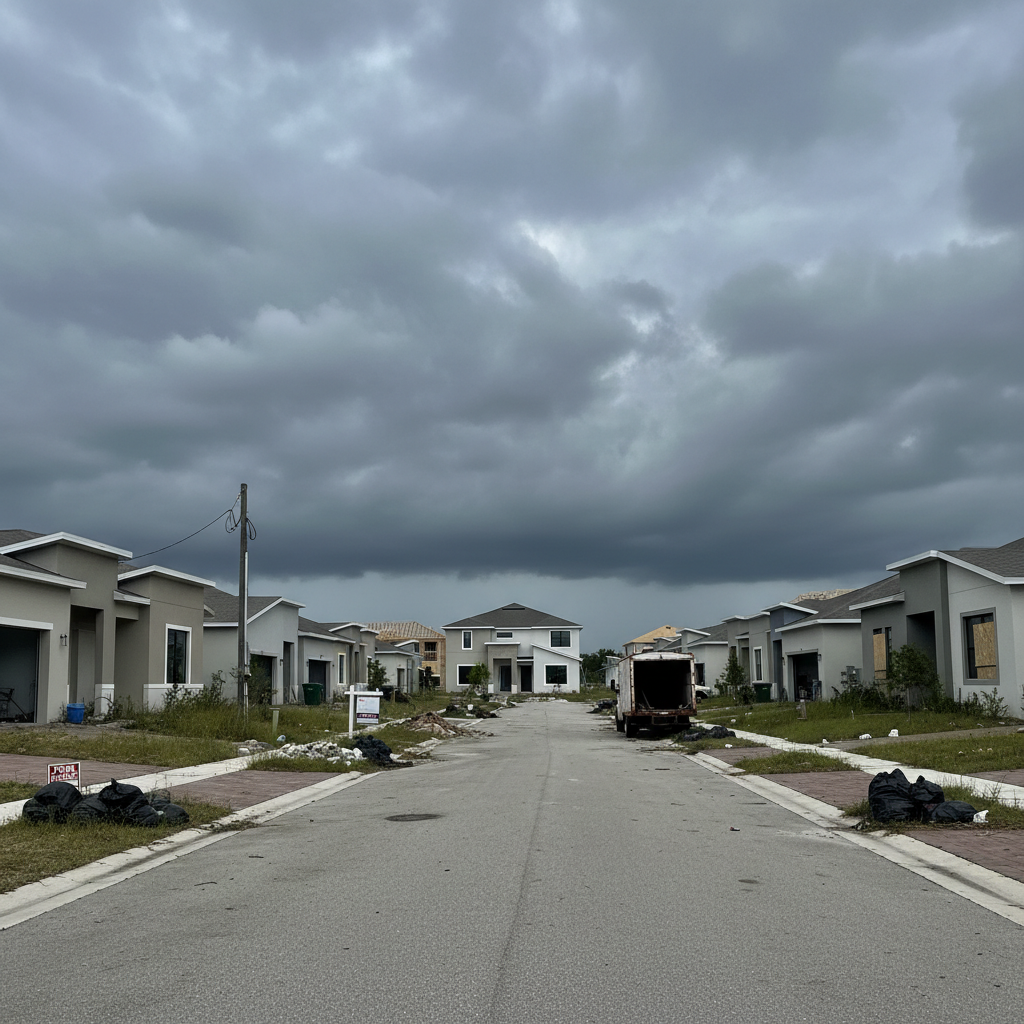
In 2025, Florida’s housing market, long considered one of the hottest in the nation, has entered a period of significant slowdown. After years of rapid appreciation fueled by pandemic-era migration, historically low interest rates, and investor demand, the state is now contending with rising costs, policy changes, and shifting buyer sentiment.
As of mid-2025, the median home price in Florida has plateaued at around $406,000, a modest increase of just 1.2% year-over-year—marking one of the slowest growth rates in the past decade, according to the Florida Realtors Association.
What’s Causing the Freeze?
1. Soaring Insurance Premiums
A key factor unique to Florida is the explosion in property insurance costs. With a growing frequency of extreme weather events—hurricanes, flooding, and now even tornadoes in some inland areas—homeowners are grappling with annual premium hikes of 35–50% on average.
“Some buyers are walking away from deals simply due to insurance quotes,” said Dana Caldwell, a Miami-based broker. “The uncertainty around coverage is a deal-breaker for many middle-class families.”
This is especially true in coastal counties like Lee, Broward, and Monroe, where insurance is now the second-highest monthly housing cost after mortgages.
2. Interest Rates Are Still High
Despite some softening from 2024 peaks, mortgage interest rates remain above 6.5%, which continues to stifle borrowing. Combined with higher home prices and stricter lending criteria, many would-be buyers in Florida have shifted to renting or are choosing to wait.
A 2025 report from the University of Florida’s Bureau of Economic and Business Research shows mortgage applications statewide are down 28% from the previous year, with first-time buyers making up an even smaller percentage of the market than in 2023.
3. Affordability Crisis in Urban Hubs
Cities like Tampa, Orlando, and Miami are experiencing an acute affordability crisis. Between 2020 and 2022, housing prices surged by nearly 60% in some neighborhoods. While wage growth has improved in parts of the state, it hasn’t kept pace with home values or living costs.
As a result, local buyers are increasingly priced out. Investors, once a dominant force in Florida’s housing landscape, have also scaled back as the rent-to-cost ratio narrows and interest rates eat into profit margins.
4. Inventory Is Rising—But Not Where It’s Needed
After years of inventory scarcity, Florida is now seeing a gradual uptick in listings. However, most of this growth is concentrated in the luxury segment. Affordable homes under $300,000 remain hard to find, especially in job-rich metro areas.
In contrast, the panhandle and rural interior counties like Marion and Putnam are seeing higher availability but suffer from weak demand due to job scarcity and infrastructure concerns.
Regional Disparities Across the State
The freeze isn’t playing out the same way everywhere in Florida.
- South Florida: Miami-Dade and Broward counties are seeing sharp pullbacks in luxury sales, particularly from foreign buyers. Condo units that once sold in weeks are now lingering for months.
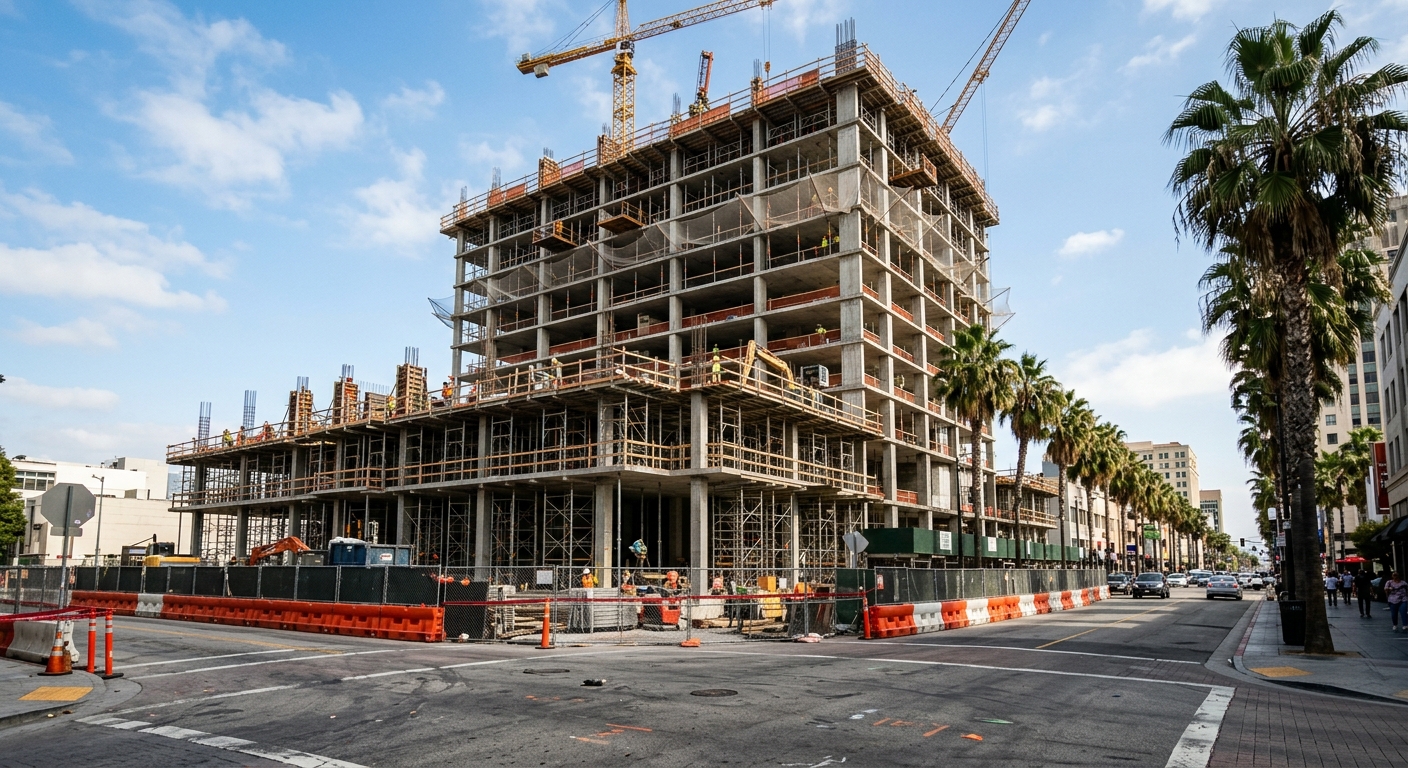
- Central Florida: In Orlando and surrounding areas, demand has waned due to rising insurance costs and traffic concerns. New home construction has slowed sharply after a two-year boom.
- North Florida: Cities like Jacksonville and Gainesville remain relatively stable but are not immune to broader market hesitations. Price growth has flattened significantly.
- The Panhandle: Areas like Pensacola and Panama City are showing resilience thanks to military and retirement communities, though these markets also report higher days-on-market metrics.
Sellers Hesitate, Buyers Wait
One reason inventory hasn’t surged dramatically despite softening demand is that many homeowners feel “locked in.” Those who purchased homes between 2020–2022 at 3% mortgage rates are reluctant to sell and trade into a 6.5% environment. This has created a stalemate—fewer new listings from existing owners and fewer buyers willing or able to make the leap.
“People are simply staying put,” said Tom Flanders, an appraiser based in St. Petersburg. “Even if they’re cramped or ready to move, the financial math just doesn’t work.”
Rental Market Is Holding Steady—For Now
Florida’s rental market hasn’t collapsed, but it has cooled from its pandemic peak. According to Zillow’s July 2025 data, average statewide rents are flat compared to last year. In hot spots like Miami Beach and Tampa’s Westshore district, rents have actually declined by 2–4% amid high supply from new multifamily construction.
This shift could indicate that the investor-driven side of Florida’s housing economy is running out of steam, which may further pressure prices if these owners decide to offload properties in the second half of 2025.
The Policy Landscape: Mixed Signals
Governor Ron DeSantis signed several housing bills in late 2024 aimed at encouraging development and fast-tracking permits, but these have had limited short-term impact. The “Live Local Act,” which allocates incentives for affordable housing, is still in early stages of implementation.
Local governments, meanwhile, are debating rent control, zoning reform, and new building codes—especially in high-risk flood areas. These discussions add to the uncertainty facing both developers and homeowners.
What to Expect for the Rest of 2025
Analysts are split on what comes next. Some expect a soft landing, with prices holding steady and transaction volume slowly returning if rates drop in late 2025. Others predict a more significant correction, especially in overheated markets like Naples and Sarasota.
One thing is clear: the days of double-digit appreciation and frenzied bidding wars are over—at least for now.
Final Takeaway
Florida’s housing market isn’t collapsing—but it’s no longer flying high either. In 2025, the real estate climate is one of caution, calculation, and cooling expectations. Whether you’re a buyer, seller, or investor, the Sunshine State’s new housing reality requires a long-term view, financial resilience, and a willingness to adapt to the changing tides.