- calendar_today June 27, 2026
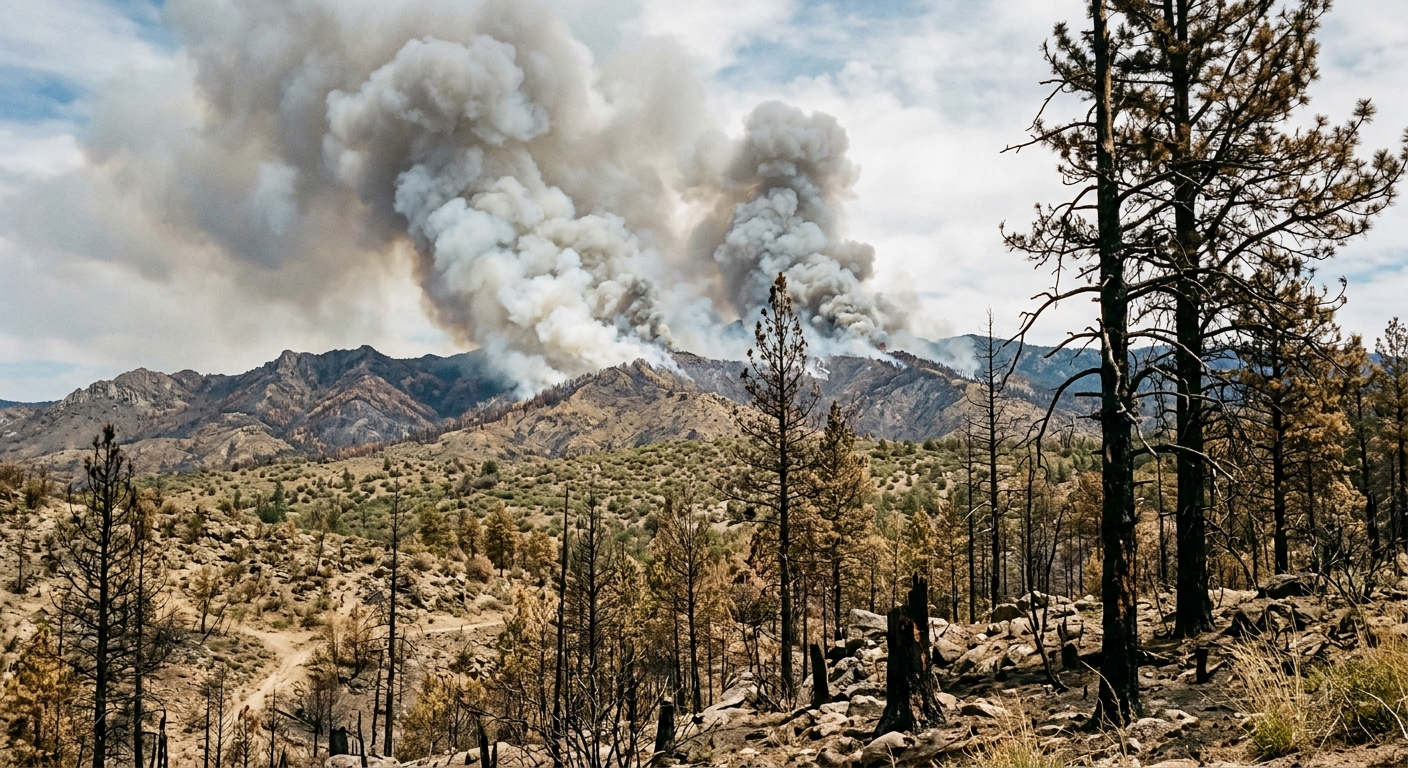
Florida communities are feeling the impact of the ongoing Utah wildfire crisis, as the Cottonwood Fire near Beaver, Utah, rapidly expands and prompts urgent safety measures and widespread wildfire evacuation orders. The out-of-control blaze highlights the severe fire weather conditions gripping the western United States and the growing national threat posed by extreme wildfires.
Historic Growth of the Cottonwood Fire
The Cottonwood Fire has swept across more than 144 square miles in central Utah. Fueled by a combination of high temperatures, intense drought, and sustained winds with gusts reaching up to 45 mph, the fire grew rapidly. Aerial firefighting crews were temporarily grounded due to treacherous wind and smoky skies, making wildfire containment efforts more challenging. The blaze has inflicted significant wildfire damage, destroying structures at the Eagle Point ski resort and compelling swift wildfire evacuation actions in nearby communities.
Red Flag Warnings Extend Across the West
Red flag warning advisories, issued in response to the exceptional fire weather conditions, are currently in effect throughout the western US fires region—including Utah, Arizona, and New Mexico. Emergency managers have responded with preventative strategies, including fire safety shutdowns of power grids in vulnerable zones, aiming to minimize ignition sources and protect residents. These restrictions have ripple effects, as wildfire smoke drifts across state lines, with air quality advisories reaching states as far as Florida.
Multiple Fires Strain Regional Resources
The Cottonwood Fire is not the only threat burning across Utah. Other significant blazes, including the Iron and Cherry fires, have scorched around 91 square miles combined. These simultaneous incidents strain regional resources and underscore the serious challenges that first responders face. Agencies from across the region, including those with ties to Florida due to resource sharing agreements, have been mobilized to support coordinated wildfire containment operations and public safety measures.
Climate and Weather Driving Risk
Experts point to unusually warm winter temperatures and ongoing drought as primary contributors to the explosive fire weather conditions this summer. The persistent lack of moisture has dried vegetation to dangerous levels, providing ample fuel for wildfire outbreaks. Authorities emphasize that, as hot, dry, and windy weather persists, the risk of additional fires remains extremely high for communities throughout Utah and in neighboring states.
Community Safeguards: Fire Restrictions and Vigilance
In response to the evolving wildfire crisis, local and state officials have enacted strict fire restriction measures, banning the use of fireworks and other potential ignition sources through July 5. These fire restrictions are accompanied by public safety campaigns urging caution during the busy holiday period, when the potential for human-caused wildfires increases. Law enforcement stresses that violating these restrictions could exacerbate wildfire damage and threaten more residents, including those in Florida affected by drifting wildfire smoke.
National Implications for Fire Safety
The Utah wildfire emergency is part of a growing pattern of severe wildfires nationwide. Officials have highlighted the unprecedented scale and intensity of this year’s fires, calling for more robust fire safety shutdown protocols and emergency preparedness. Increased vigilance and cooperation across regions are critical, as the interconnectedness of air quality and fire risk now links the fates of distant states like Utah and Florida.
Looking Ahead: The Urgent Need for Preparedness
As the Cottonwood Fire and other blazes continue to burn, emergency officials warn that the coming weeks will test the resilience of communities in the western US. Florida residents, though distant, are urged to remain alert to changing air quality conditions and stay informed about the broader wildfire situation. The response to this crisis highlights the importance of coordinated disaster management and the necessity for all regions to proactively address the effects of extreme fire weather conditions.