- calendar_today June 25, 2026
FLORIDA – The latest figures from the personal consumption expenditures (PCE) price index reveal that the inflation rate in Florida has reached a notable high, highlighting a pressing issue for both state residents and policymakers. As the PCE index—a key metric closely monitored by the federal reserve—hit an annualized 4.1% in May, the state finds itself navigating an economic environment shaped by escalating consumer prices and changing global dynamics.
Inflation Rate Reaches Multi-Year High
Driven primarily by increasing gas prices and higher costs associated with the semiconductor industry—particularly as artificial intelligence technologies expand—the inflation rate soared to its highest point in three years. Monthly inflation tracked at 0.4%, with core inflation (which removes volatile food and energy prices) also rising, painting a picture of broad-based upward price pressures affecting everyday goods and services across Florida.
PCE Index: A Key Indicator for Policymakers
The PCE index serves as the Federal Reserve’s preferred inflation measure, reflecting shifts in how much consumers are paying for a robust range of goods and services. In Florida, this index not only illustrates the state of consumer prices but also serves as a gauge for decision-makers weighing responses to ongoing inflation concerns.
Energy Price Volatility and Recent Relief
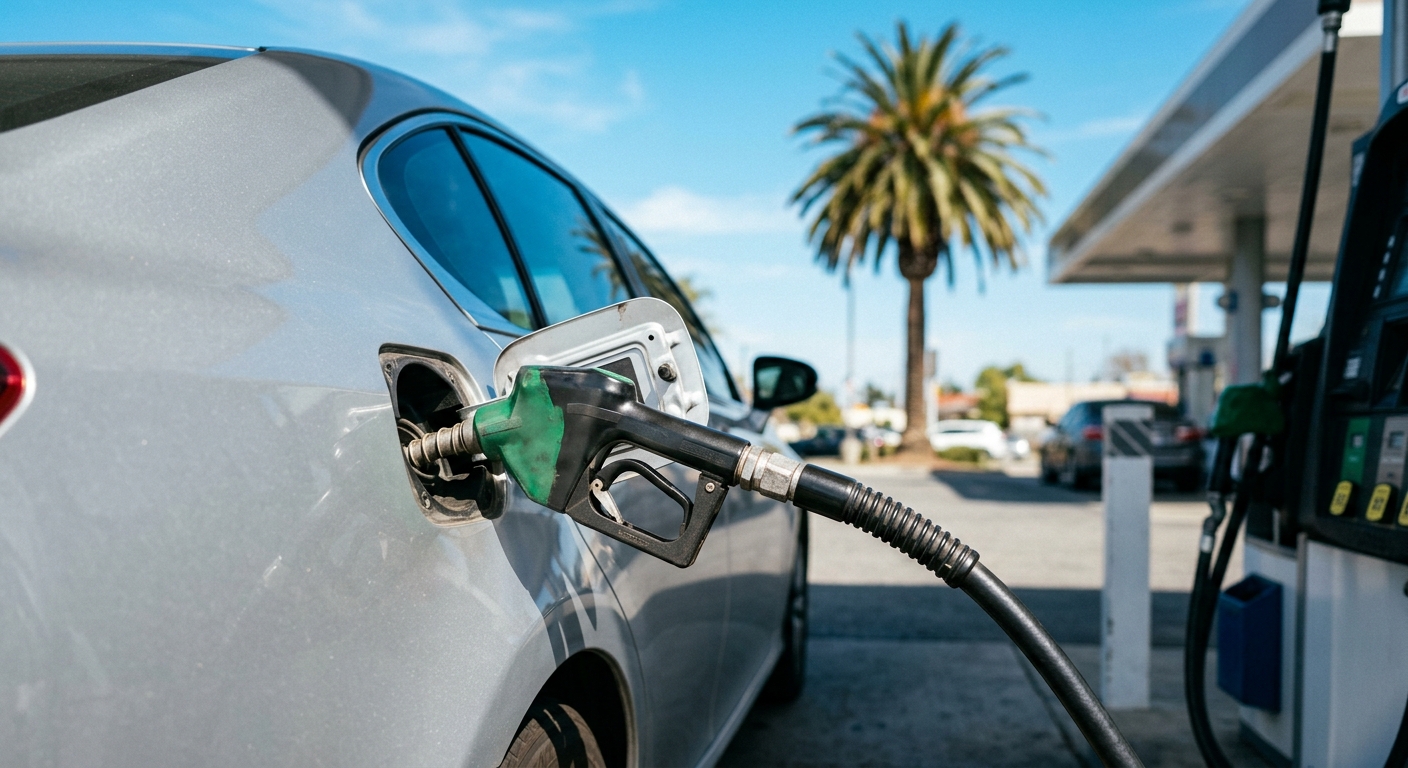
Energy costs, particularly volatile gas prices, have played a significant role in pushing overall inflation higher. However, with a recent peace agreement with Iran, Floridians have seen some relief at the pump. Despite these developments, inflationary pressures remain persistent, with the cost of essentials like housing and healthcare also climbing steadily.
Federal Reserve and the Prospect of Higher Interest Rates
The federal reserve remains committed to its target of 2% inflation, yet the persistence of high inflation is raising the likelihood of an adjustment to interest rates later this year. In Florida, the prospect of higher borrowing costs could have substantial implications for consumers financing homes, vehicles, or businesses. The balancing act for policymakers centers on managing the ongoing risks of entrenched inflation concerns while supporting the region’s economic growth.
Consumer Spending Rises, Economic Growth Holds Steady
Despite the inflationary backdrop, consumer spending—adjusted for inflation—registered a modest increase in May. This rise has been supported by slight gains in real incomes, allowing Floridians to maintain their purchasing power even as prices inch upward. Early reports in 2026 indicate improving economic growth and a decline in unemployment claims, providing some optimism that the state’s economy is showing resilience amid ongoing challenges.
Political Impact Intensifies Ahead of Elections
With midterm elections approaching, the political impact of sustained inflation has grown significant in Florida. Lawmakers have introduced measures addressing housing affordability, while contrasting views on inflation’s severity spark debate across the political spectrum. Former President Trump has played down inflation concerns in recent remarks, whereas legislative efforts continue to focus on easing burdens for residents, especially around critical sectors like housing and utilities.
Continuing Vigilance in Florida’s Economic Environment
As experts monitor the PCE index and related indicators, Floridians are being reminded of the importance of both policy vigilance and local adaptation. With the inflation rate likely to remain a headline issue for the foreseeable future, local families, businesses, and political leaders are preparing to navigate a complex financial landscape shaped by both national and global events.