- calendar_today June 18, 2026
Florida and neighboring regions are grappling with widespread disruption after tropical storm Arthur battered the southeastern United States, producing heavy rain, intense winds, tornadoes, and flash flooding that impacted communities across the Gulf Coast and inland areas.
Storm Hits Southeast with Heavy Rain and Tornadoes
The remnants of tropical storm Arthur, downgraded to a low pressure area as it approached the upper Texas coastline, hammered states including Florida, Louisiana, Mississippi, Alabama, and Georgia. Rainfall rates reached up to three inches per hour in some communities, triggering flash flooding and dangerous road conditions.
Tropical Storm Damage and Tornado Warnings in Florida
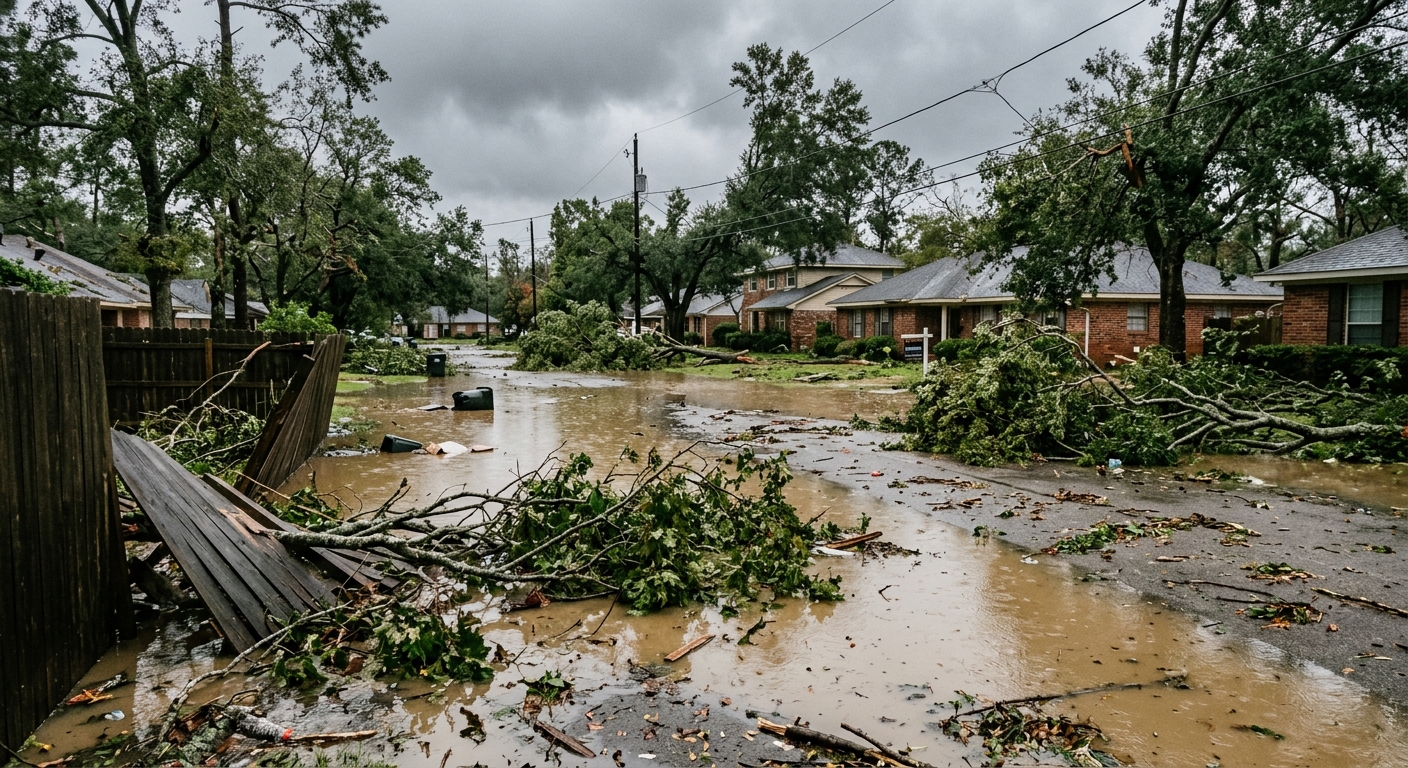
Tornado warnings were issued in several Florida counties as rotating thunderstorms swept through the region. Southeastern Louisiana saw significant tornadoes, which also affected parts of the Florida Panhandle, downing trees, flooding roads, and damaging homes and commercial buildings. The storm’s intensity renewed fears about the vulnerability of local infrastructure to tropical storm damage during the summer storm season.
Power Outages and Emergency Response
The powerful system left tens of thousands of Floridians without electricity, with widespread power outages reported along the Gulf Coast. Municipal and state crews responded quickly, clearing debris, assessing downed lines, and restoring service to impacted neighborhoods. Emergency responders issued repeated weather warnings and cautioned residents to avoid flooded streets and heed all safety alerts during the ongoing storm cleanup phase.
Storm System Moves to Midwest, Bringing Further Severe Weather
While the Southeast coped with flooding and damage, a related line of severe weather impacted the Midwest. States such as Illinois, Indiana, and northern Kentucky experienced intense midwest storms with tornado occurrences and damaging winds. In Effingham, Illinois, a tornado caused notable property damage and minor injuries, while Florence, Kentucky, faced significant building and infrastructure impacts. Combined, these events left more than 130,000 homes and businesses without power across several Midwestern and Appalachian communities.
Flooding Prompts Continued Weather Warnings
With saturated ground and rising waters, officials warned of ongoing flash flooding risks as the storm system tracked northeast towards New England. Recovery efforts remained in full swing as regional emergency teams partnered with local leaders to coordinate relief and manage public safety. Floridians and Southeastern U.S. residents were reminded to monitor the latest storm updates, with additional tornado warnings possible as unpredictable weather persisted.
Ongoing Cleanup and Community Resilience
Across Florida and the broader southeastern US, communities continue storm cleanup operations, repairing infrastructure and providing aid to affected families. Local emergency services, supported by statewide agencies, emphasized the importance of preparedness amid the region’s dynamic weather patterns. The efforts following tropical storm Arthur highlight both the challenges and resilience of Floridian communities as the Atlantic hurricane season advances.