- calendar_today April 28, 2026
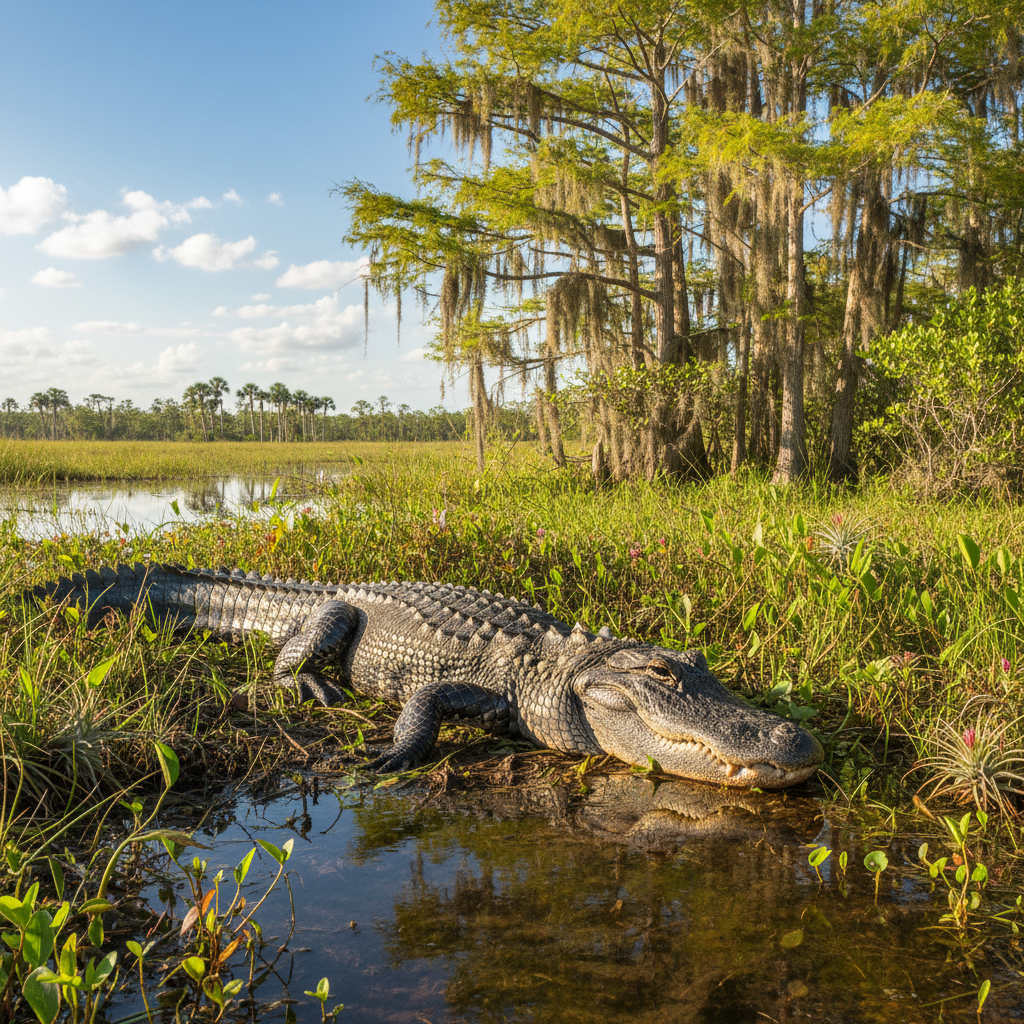
The arrival of alligator mating season in Florida signals a time of heightened awareness for residents and visitors alike. Stretching from May through June, this annual event sees florida alligators becoming more active, particularly around the region’s ponds, lakes, and wetlands.
Seasonal Shifts in Alligator Behavior
During mating season, alligator behavior changes markedly. Male alligators move across large territories in their search for mates, leading to an uptick in visible activity near communities as well as remote marshes. The Florida Fish and Wildlife Conservation Commission (FWC) notes that increased mobility can bring alligators closer to neighborhoods, golf courses, or popular recreation spots.
Understanding Alligator Safety Practices
While interactions between humans and alligators remain unlikely, the FWC emphasizes alligator safety as a community priority in Florida. People are encouraged to remain vigilant near any body of water, especially during this season. Those enjoying outdoor activities—such as fishing or kayaking—are reminded to stay a safe distance from shorelines, where adult alligators may be nesting or patrolling for mates.
The Critical Role of Wildlife Conservation
Wildlife conservation plays a vital part in maintaining a balance between human activities and native species. Alligators are a key part of Florida’s ecosystem, acting as apex predators and contributing to the health of wetlands. The FWC provides regular education and resources to help residents coexist with these reptiles while supporting alligator conservation efforts.
Alligators Nesting and Motherly Defenses
Alligators nesting in late spring and early summer can lay around 40 eggs at a time. Female alligators display particularly protective behavior, guarding their nests and hatchlings through late summer. Observers should be mindful that approaching these nests, even to satisfy curiosity, could provoke defensive actions by the mother alligator.
Risks and Responsibilities Around Alligator Encounters
The number of alligator bites recorded annually in Florida is very low, but the possibility increases during mating season as alligator encounters become more frequent. The FWC warns that feeding alligators is not only illegal but also dangerous, as it causes alligators to lose their natural wariness of humans, raising the risk of nuisance alligators exhibiting aggressive or unpredictable behavior.
Managing Nuisance Alligators and FWC Hotline
The FWC operates a dedicated fwc hotline—the Nuisance Alligator Hotline—for residents who encounter alligators acting aggressively or appearing too comfortable around humans. The commission makes public safety its top priority in such cases. Nuisance alligators reported through the hotline are typically euthanized rather than relocated, a policy designed to minimize risks to people and prevent future dangerous confrontations. While many might hope for relocation, experts believe this is not an effective long-term solution due to the animal’s strong homing instincts.
Promoting Respectful Coexistence in Florida
Community organizations and local governments across Florida work hand-in-hand with the FWC to spread awareness during alligator mating season. Informational campaigns stress the importance of never feeding alligators, recognizing signs of alligator aggression, and maintaining respectful distances at all times. By adopting recommended guidelines, residents help foster safer shared spaces for both humans and wildlife.
Throughout Florida, the alligator mating season serves as a reminder of the unique balancing act between urban development and natural habitats. Thanks to diligent public outreach and a commitment to evidence-based management, local residents and visitors continue to appreciate the state’s remarkable alligator population while upholding best practices for safety and wildlife conservation. As the season progresses into summer, vigilance and education remain the watchwords for Florida communities living alongside these iconic reptiles.